National Hospital Treatment Core
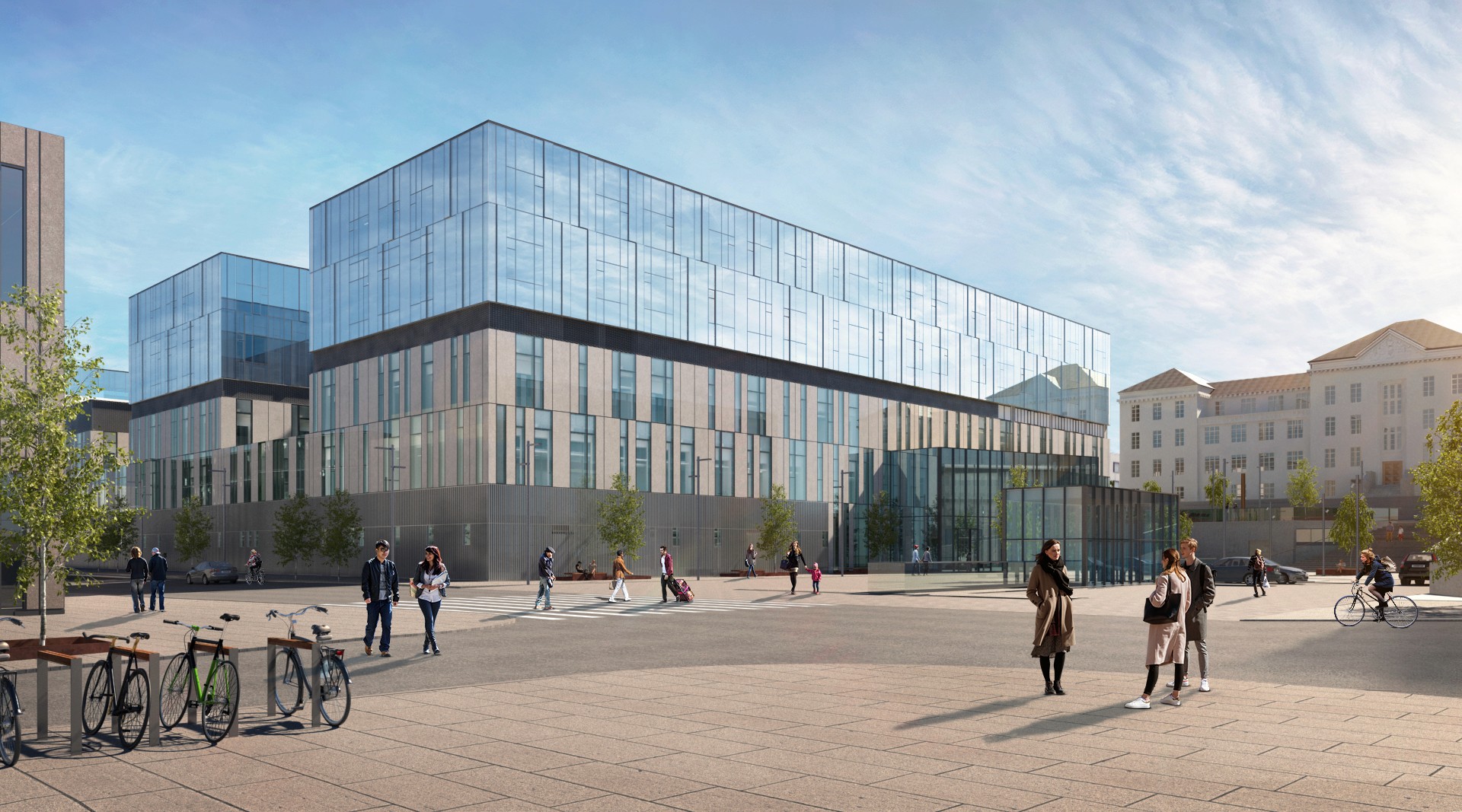
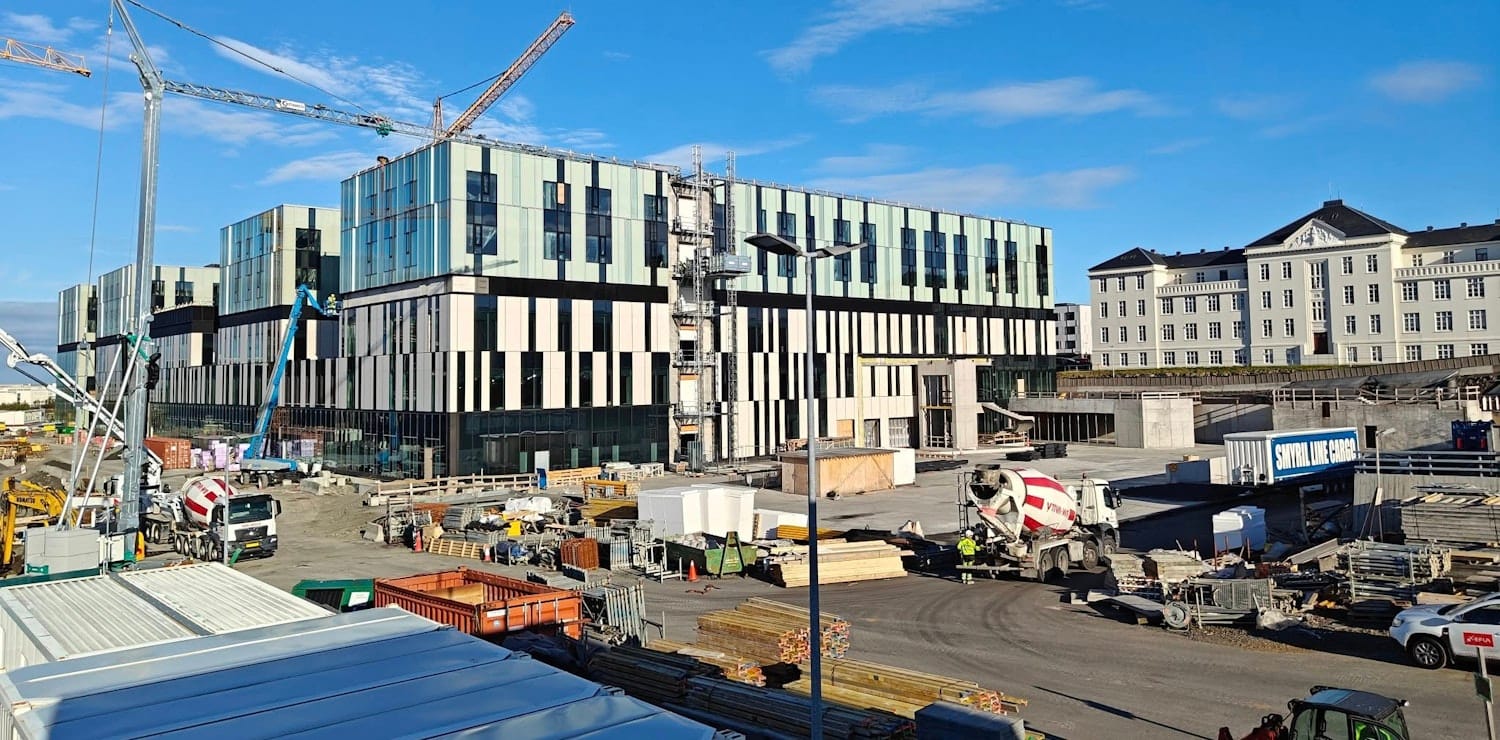
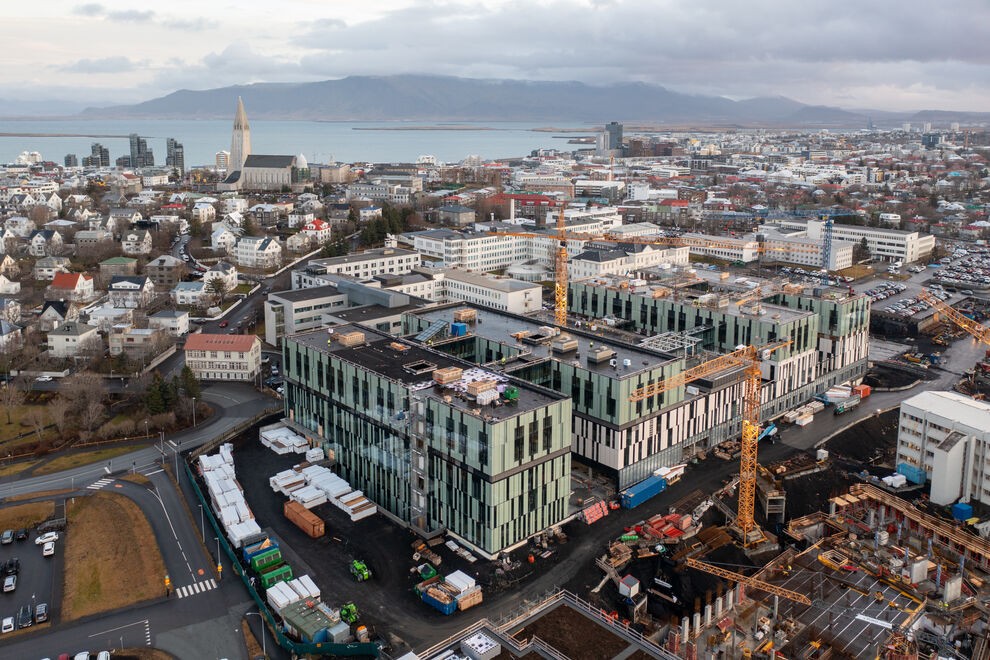
The National Hospital Treatment Core is the central building in the development of Iceland’s new university hospital campus. Designed around clarity, resilience, and patient wellbeing, the project brings together highly specialized treatment facilities, inpatient care, and public functions within a coherent architectural framework that strengthens connections between healthcare, city, and landscape.

Location
Reykjavík, Iceland
Status
Under Construction
Typology
Healthcare
Healthcare
All
All
Size
70.000 m2
Year
2029
Client

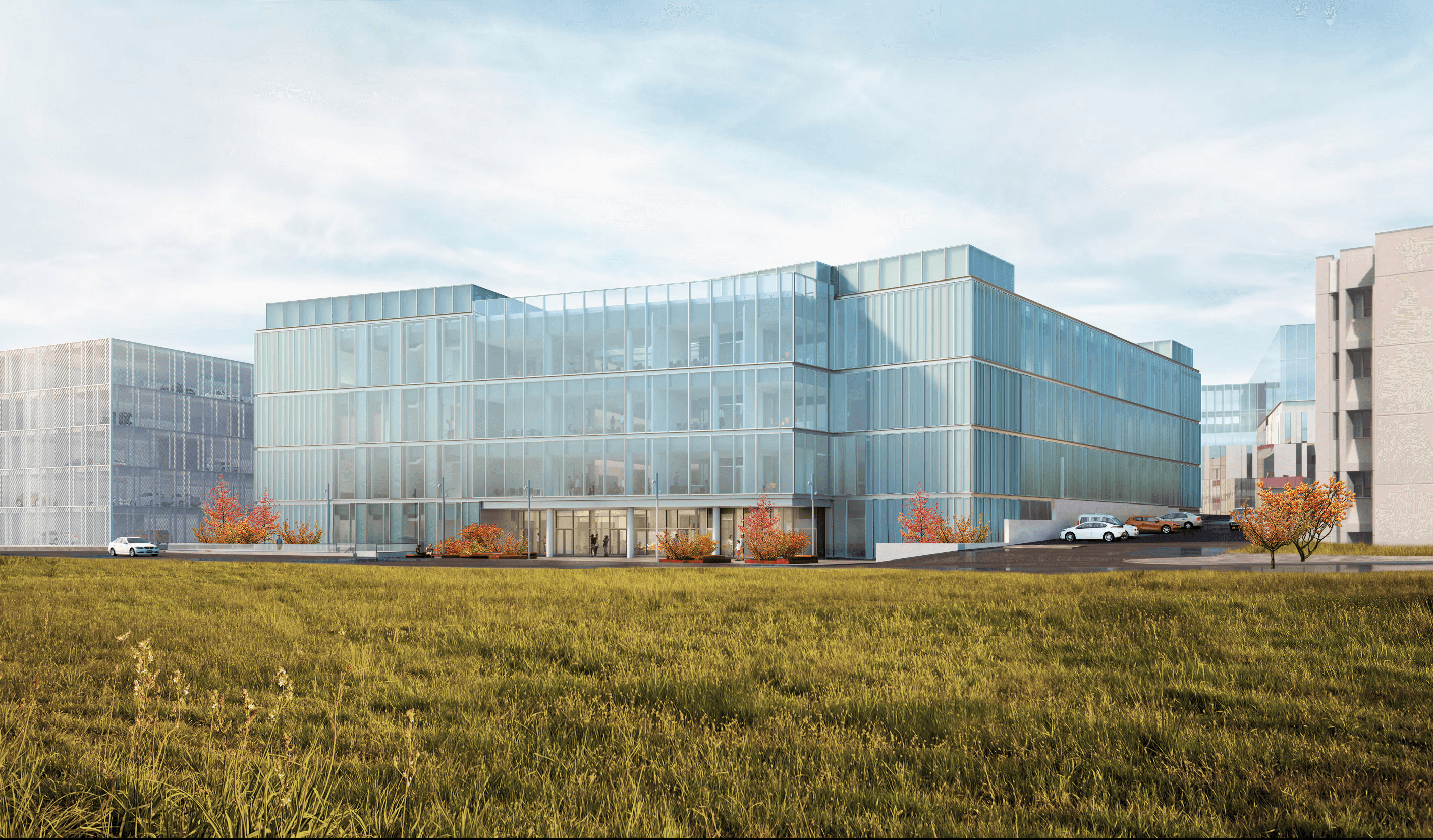
The Treatment Core is the largest and most complex building within the new hospital development and will serve as the operational heart of the campus. Once completed, the approximately 70,000 m² building will become the largest building ever constructed in Iceland. Designed for a modern emergency and university hospital, it accommodates advanced diagnostics, treatment, surgery, intensive care, inpatient wards, rehabilitation facilities, and public services within a highly integrated healthcare environment.

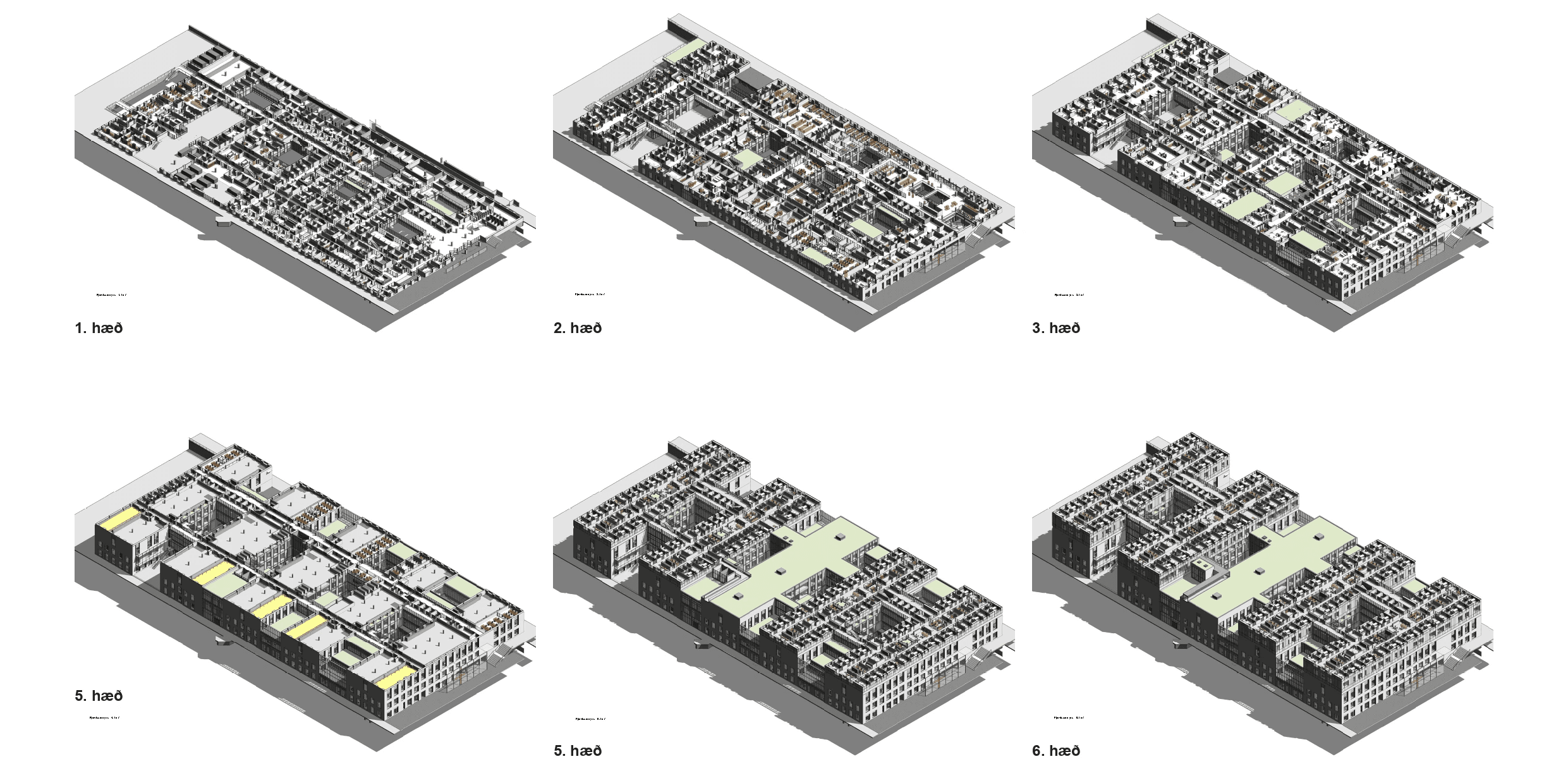
The building is organized around simplicity, clear circulation, and close functional relationships between departments and surrounding hospital buildings. Connections through bridges, underground corridors, and internal spines ensure efficient movement for patients, staff, and logistics across the broader hospital campus. The lower three floors contain the primary treatment functions, including the emergency department, imaging, operating theatres, intensive care units, and specialized clinical facilities. Public areas, services, lecture halls, and gathering spaces are integrated throughout the lower levels, reinforcing the building’s role as both healthcare infrastructure and civic institution.

The Treatment Core is the largest and most complex building within the new hospital development and will serve as the operational heart of the campus. Once completed, the approximately 70,000 m² building will become the largest building ever constructed in Iceland. Designed for a modern emergency and university hospital, it accommodates advanced diagnostics, treatment, surgery, intensive care, inpatient wards, rehabilitation facilities, and public services within a highly integrated healthcare environment.

The building is organized around simplicity, clear circulation, and close functional relationships between departments and surrounding hospital buildings. Connections through bridges, underground corridors, and internal spines ensure efficient movement for patients, staff, and logistics across the broader hospital campus. The lower three floors contain the primary treatment functions, including the emergency department, imaging, operating theatres, intensive care units, and specialized clinical facilities. Public areas, services, lecture halls, and gathering spaces are integrated throughout the lower levels, reinforcing the building’s role as both healthcare infrastructure and civic institution.

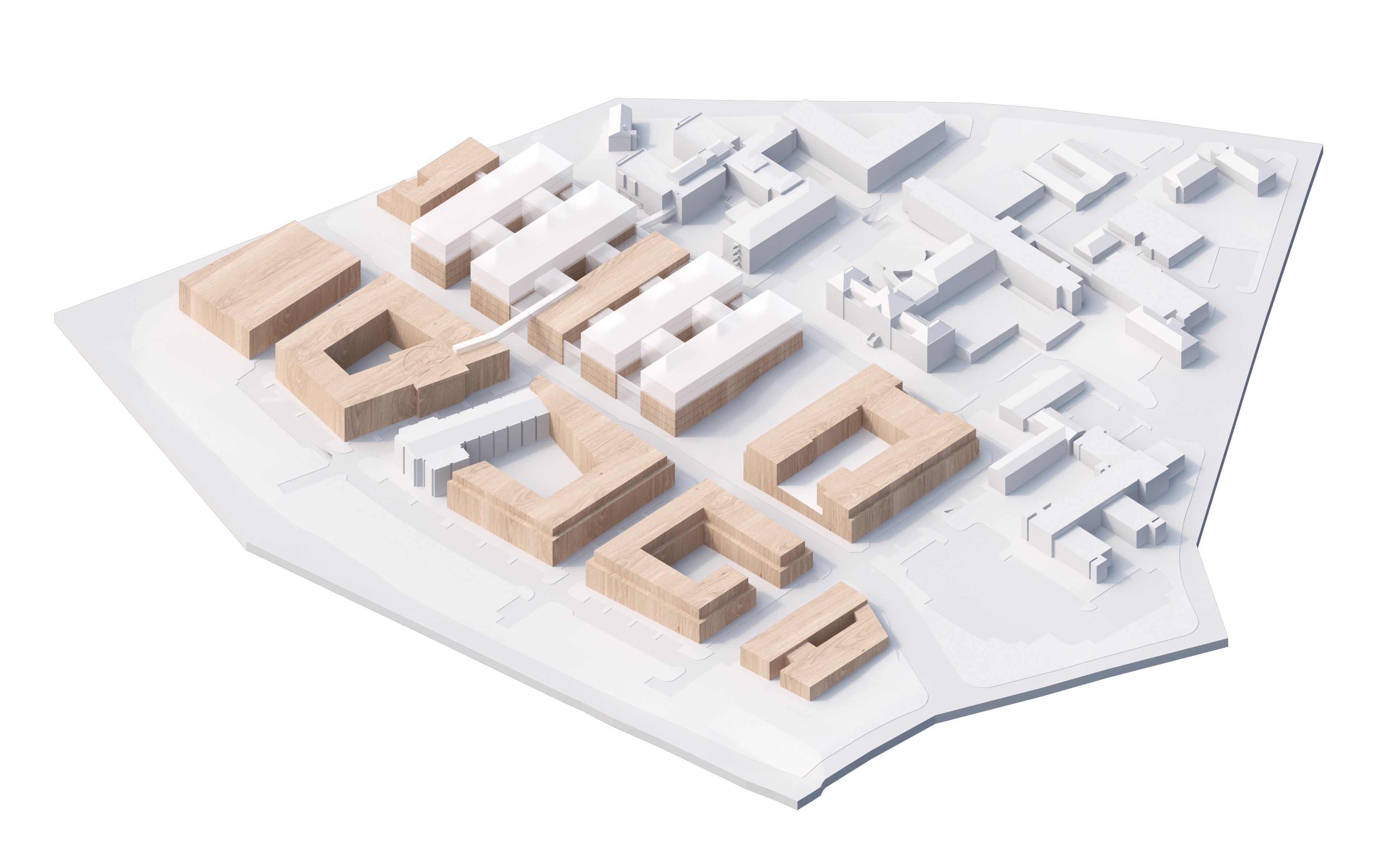
The architectural concept is based on dividing the large programme into five connected building bars linked through central circulation spines. This strategy reduces the perceived scale of the complex in relation to central Reykjavík while maximizing daylight, views, and orientation throughout the building. Rooftops are designed as accessible garden spaces overlooking the city and surrounding mountains, creating restorative environments for patients, relatives, and staff.

Extraordinary emphasis has been placed on resilience and long-term durability. The building is engineered to remain fully operational following severe earthquakes and other natural or man-made disasters, ensuring continuity of critical healthcare services under extreme conditions.

The architectural concept is based on dividing the large programme into five connected building bars linked through central circulation spines. This strategy reduces the perceived scale of the complex in relation to central Reykjavík while maximizing daylight, views, and orientation throughout the building. Rooftops are designed as accessible garden spaces overlooking the city and surrounding mountains, creating restorative environments for patients, relatives, and staff.

Extraordinary emphasis has been placed on resilience and long-term durability. The building is engineered to remain fully operational following severe earthquakes and other natural or man-made disasters, ensuring continuity of critical healthcare services under extreme conditions.

Credits

Architecture and Interior Design: Basalt Architects

Project Architect: Sigríður Sigþórsdóttir

Design Team: Anna Björg Sigurðardóttir, Ari Þorleifsson, Dagbjört Jónsdóttir, Guðjón Kjartansson, Hekla Víglundsdóttir, Magnús Aðalmundsson, Magni Þór Waltersson, Marcos Zotes, Þorsteinn Jafet.


Collaborators

The project is created by Corpus3 consisting of the companies Basalt Architects, Hornsteinar Architects, Lota and VSÓ.

Architecture: In collaboration with Hornsteinar

Landscape: Hornsteinar

Interior Design: In collaboration with Hornsteinar

Engineering: Lota, VSÓ and Trivium

Advisors: Buro Happold, Niras, De Jong Gortemaker Algra, Asplan Viak, Reinertsen