Guðlaug Baths

Guðlaug Baths are a public geothermal bathing structure on Langisandur beach in Akranes. Conceived as a free and democratic space, the project strengthens community life by creating a shared setting for bathing, gathering and year-round outdoor activity, closely connected to the rhythms of the ocean.

Location
Akranes, Iceland
Status
Completed
Typology
Wellness
Wellness
Featured
Featured
All
All
Size
100 m2
Year
2018
Client
Akranes municipality, Guðlaug Gunnlaugsdóttir and Jón Gunnlaugsson Memorial Foundation
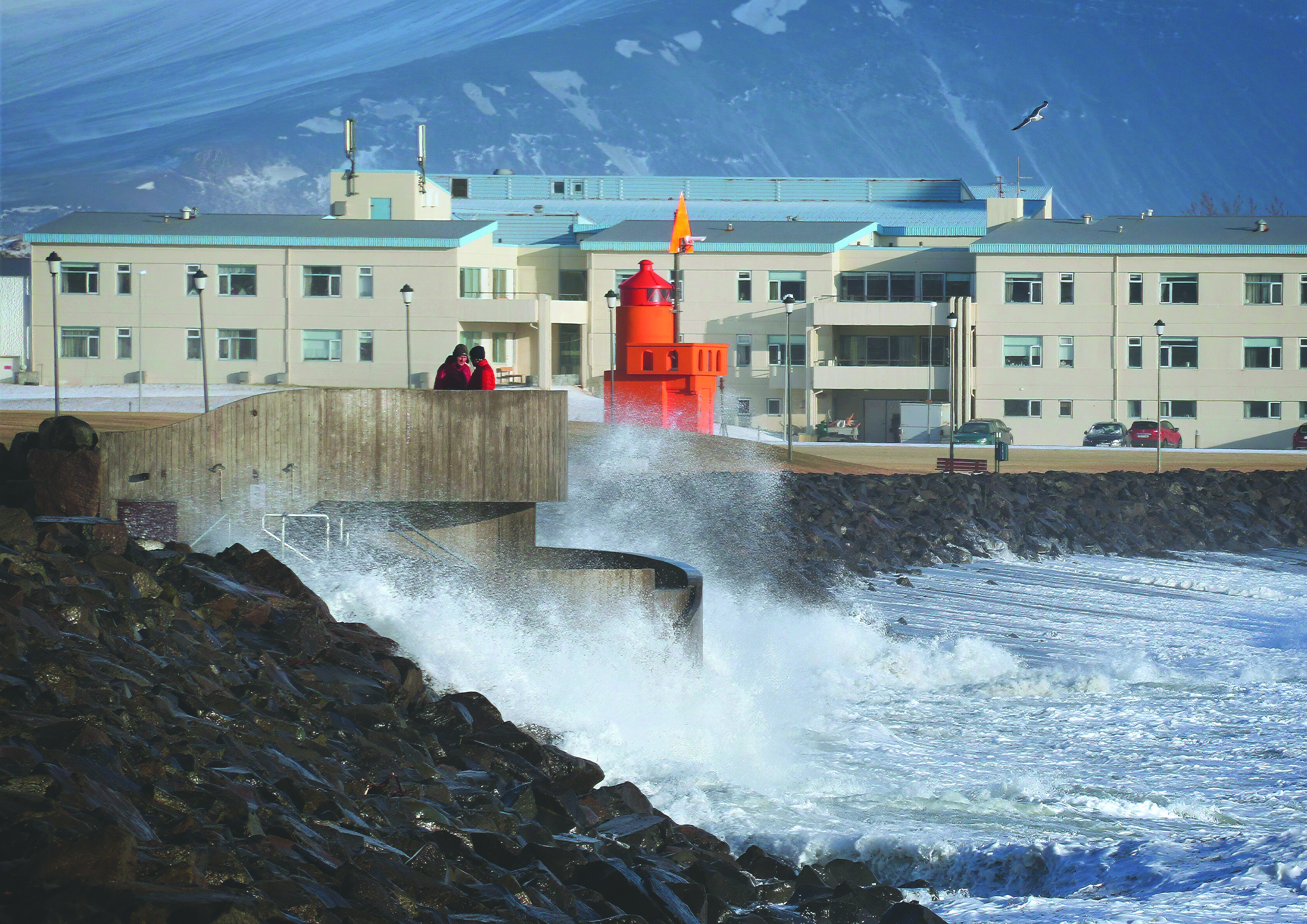
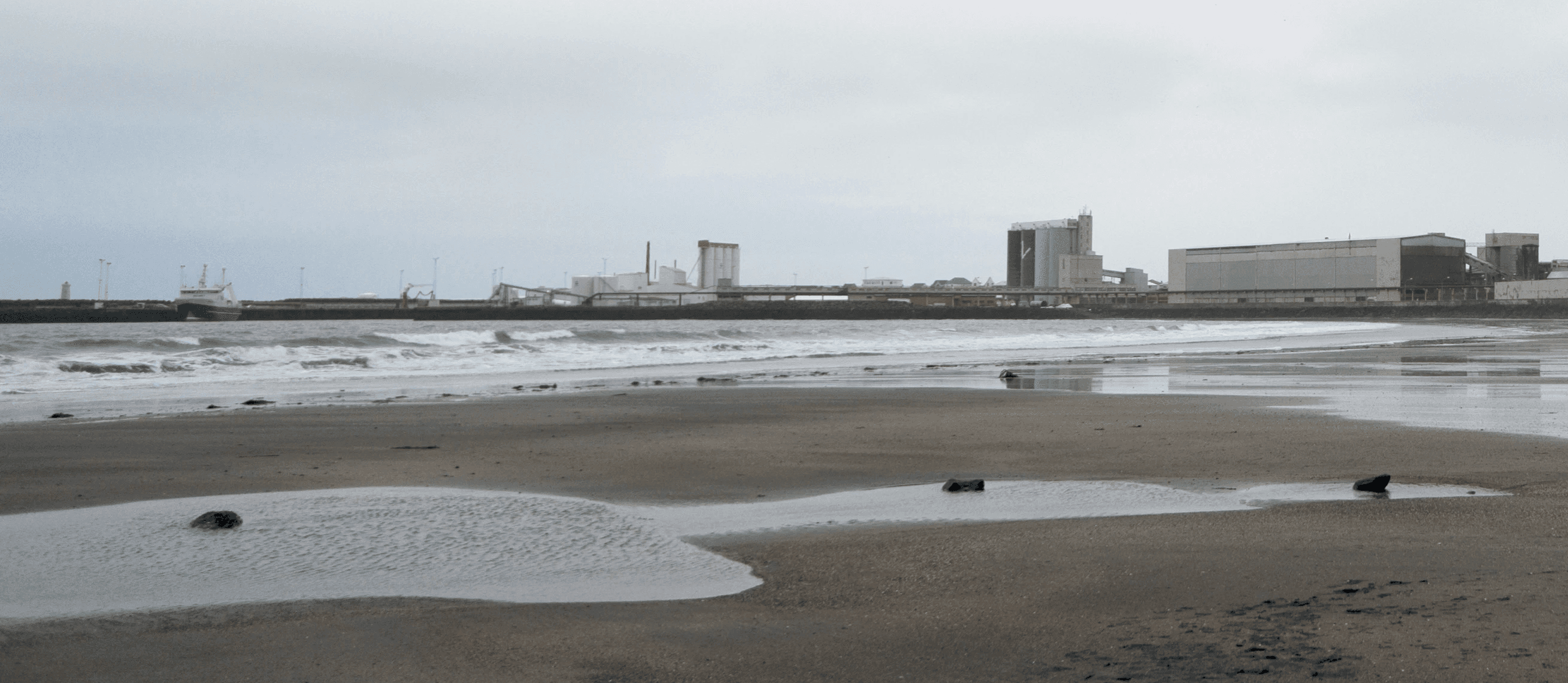
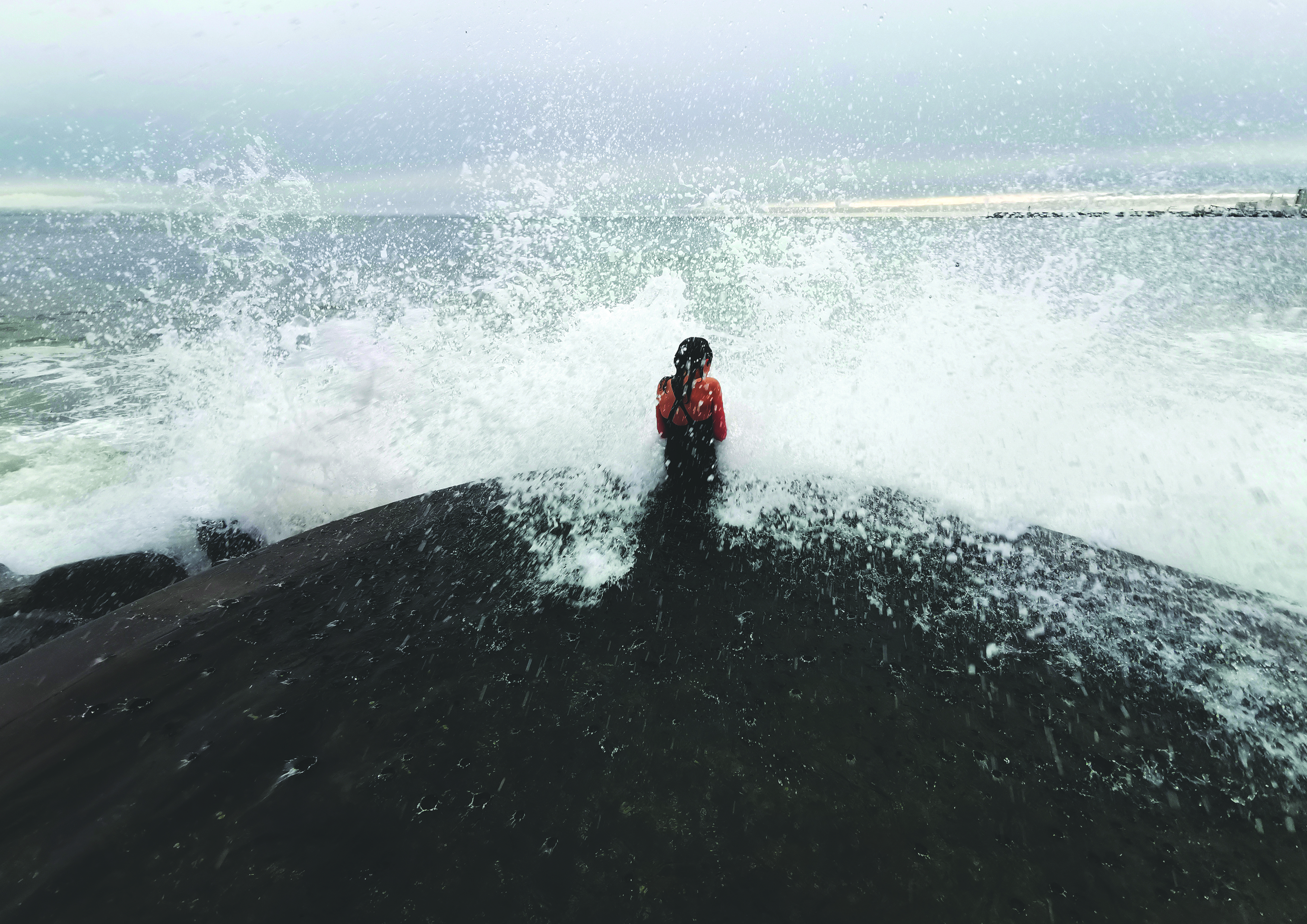
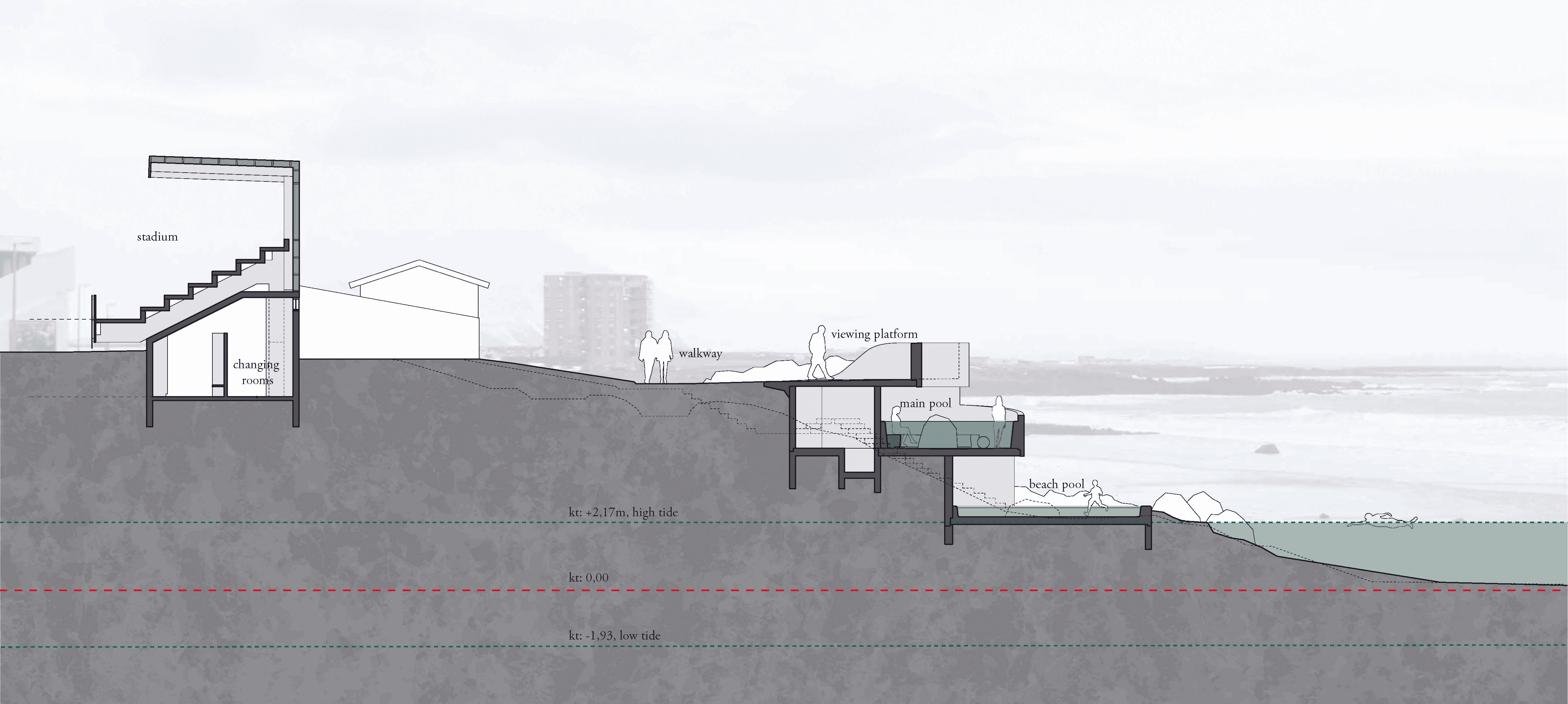
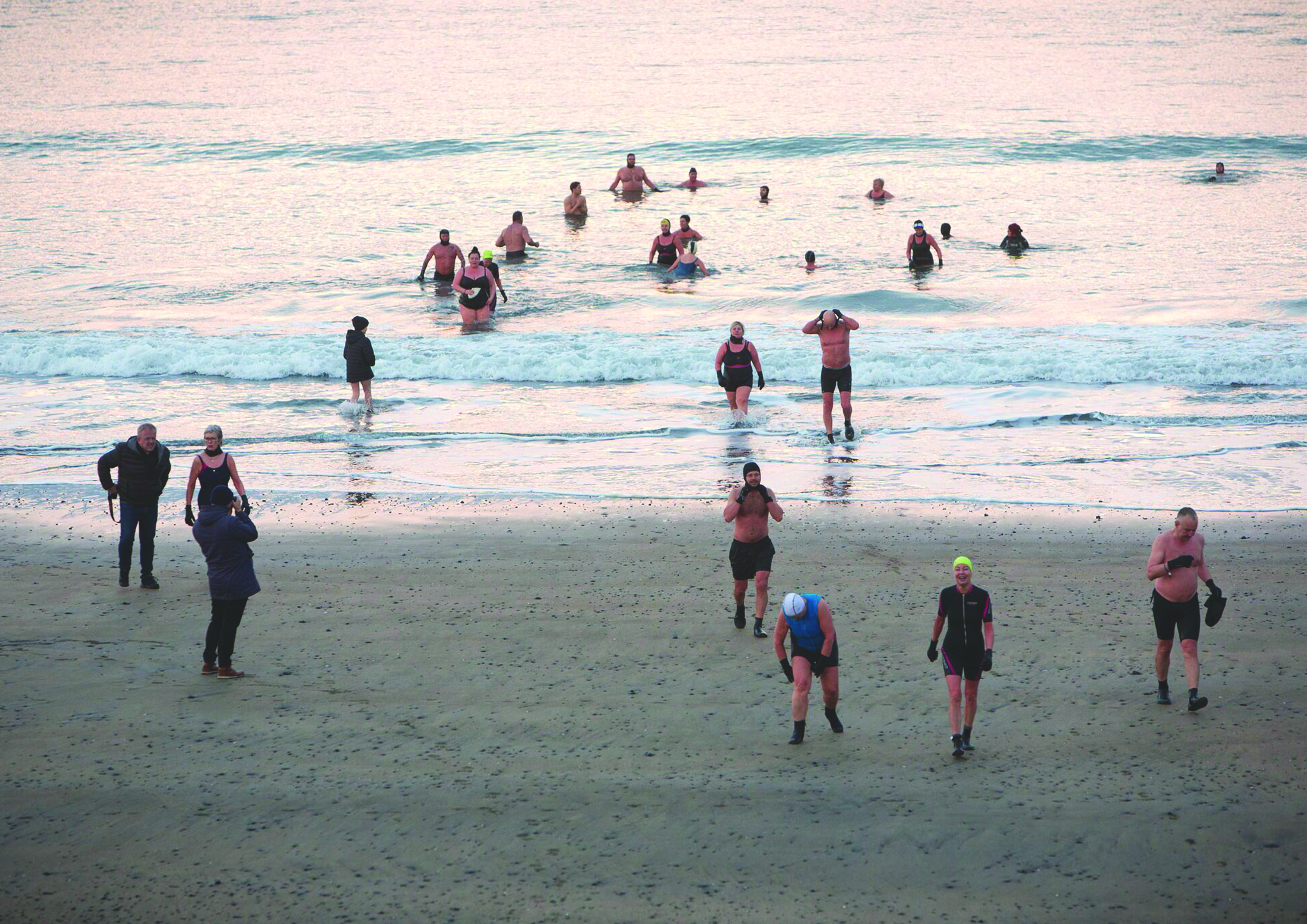
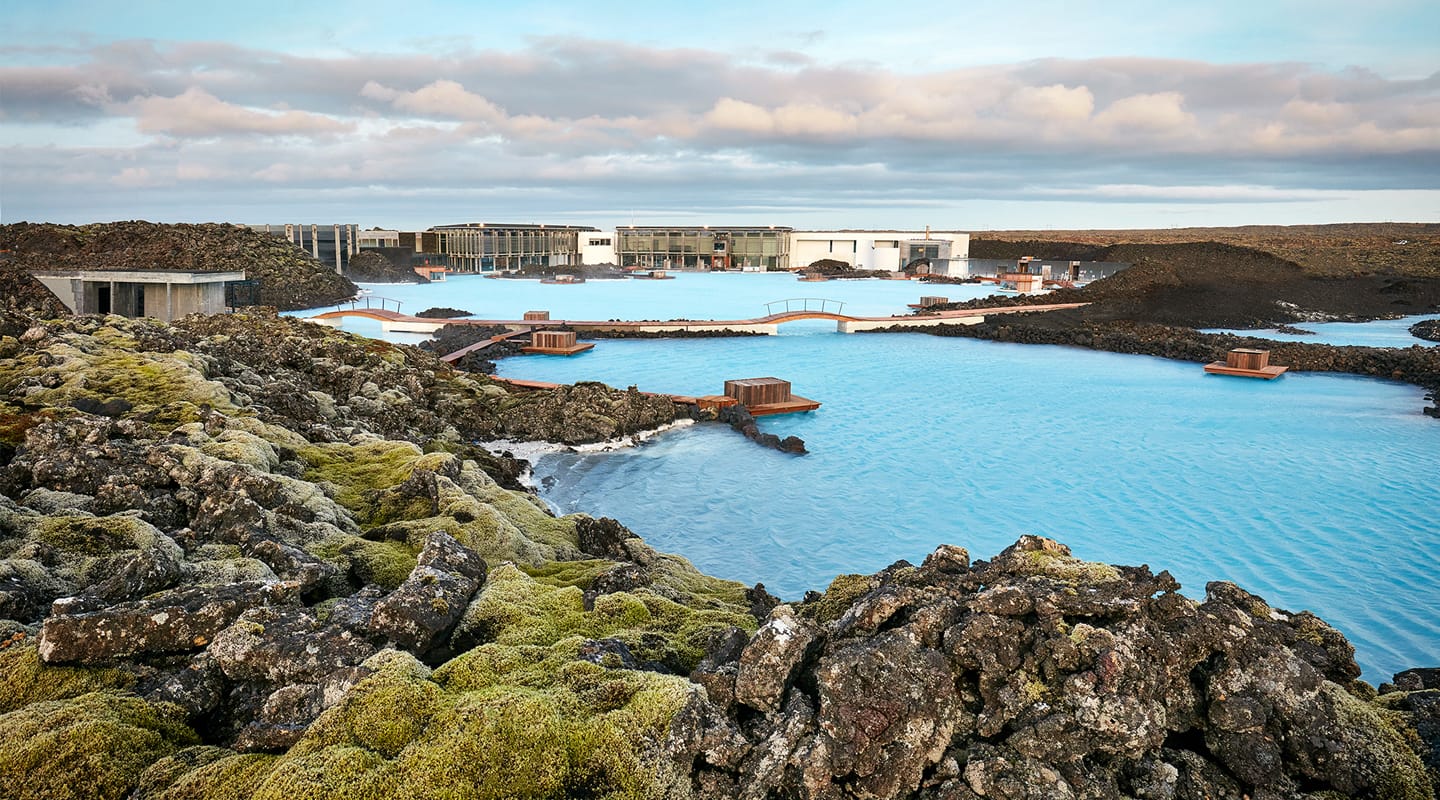
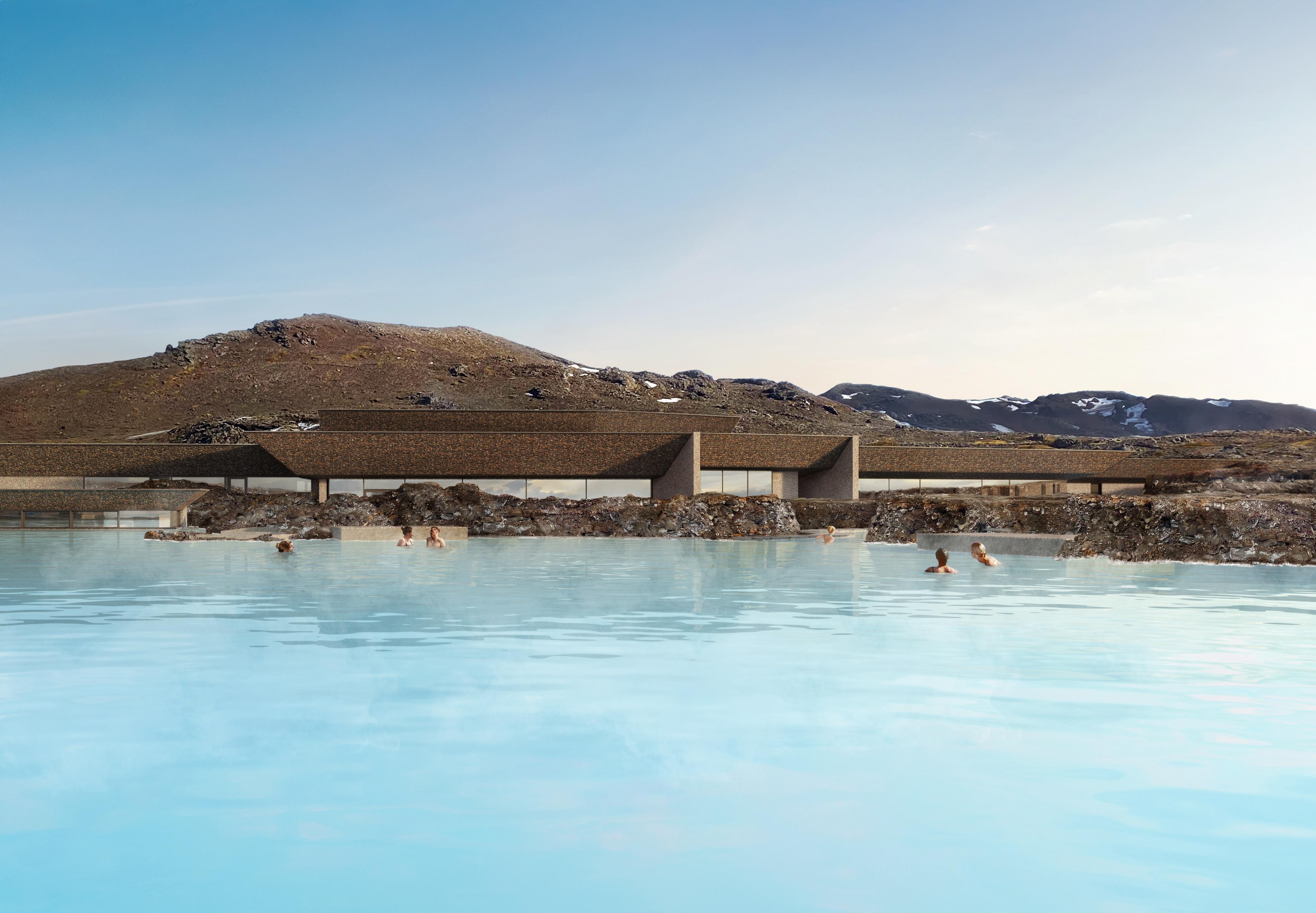
Guðlaug is set within the rock barrier of Langisandur, a unique urban beach and an important everyday landscape for the town. The shoreline is defined by tidal fluctuations of over four metres, shifting between a wide sandy beach and a rugged coastal edge. Weather, light and seasonal change shape the experience throughout the year, while views extend across Faxaflói bay toward Reykjavík. Positioned along a well-used pedestrian route and sheltered by the adjacent football stadium, the baths respond to exposure while maintaining openness toward the sea.
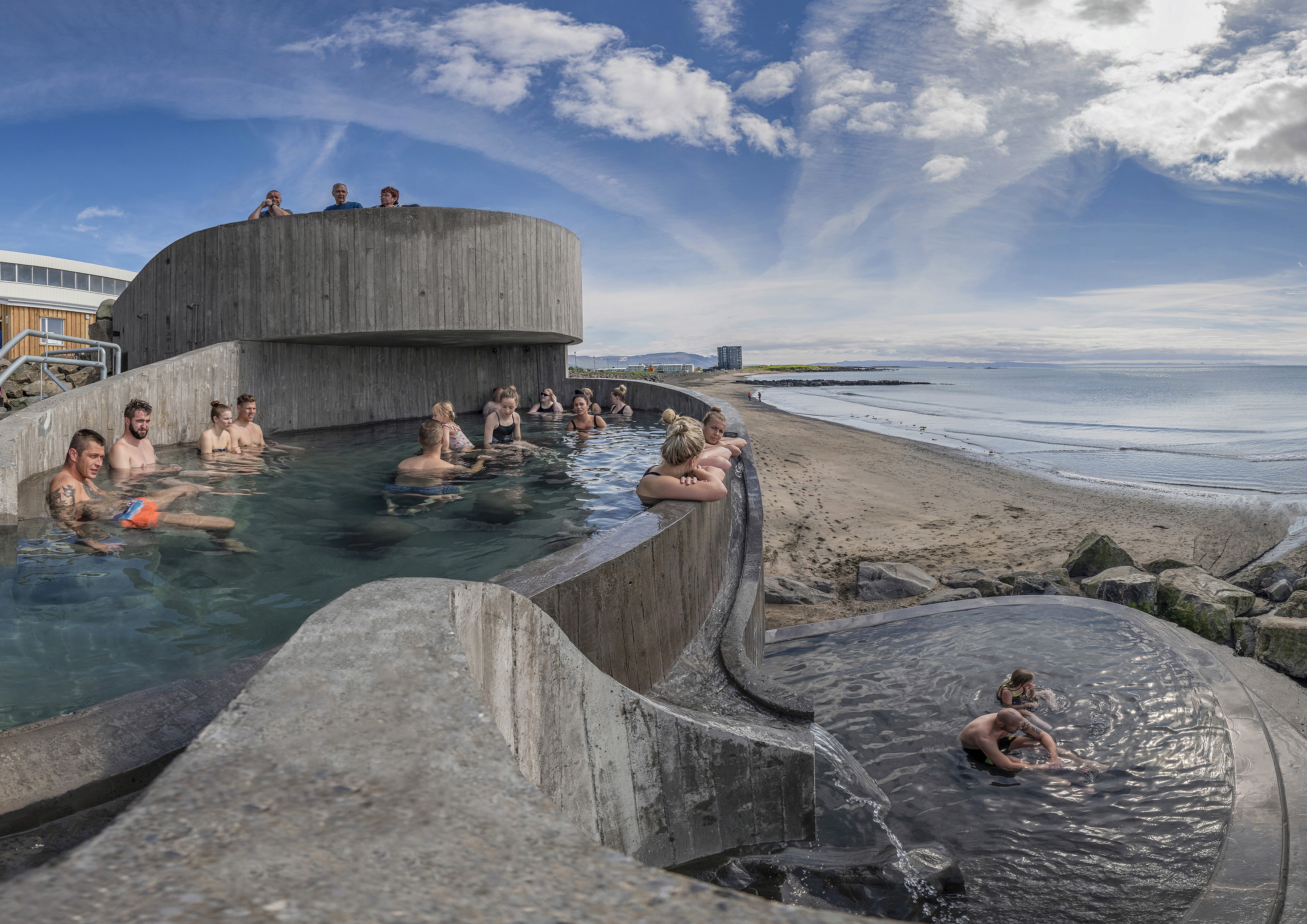
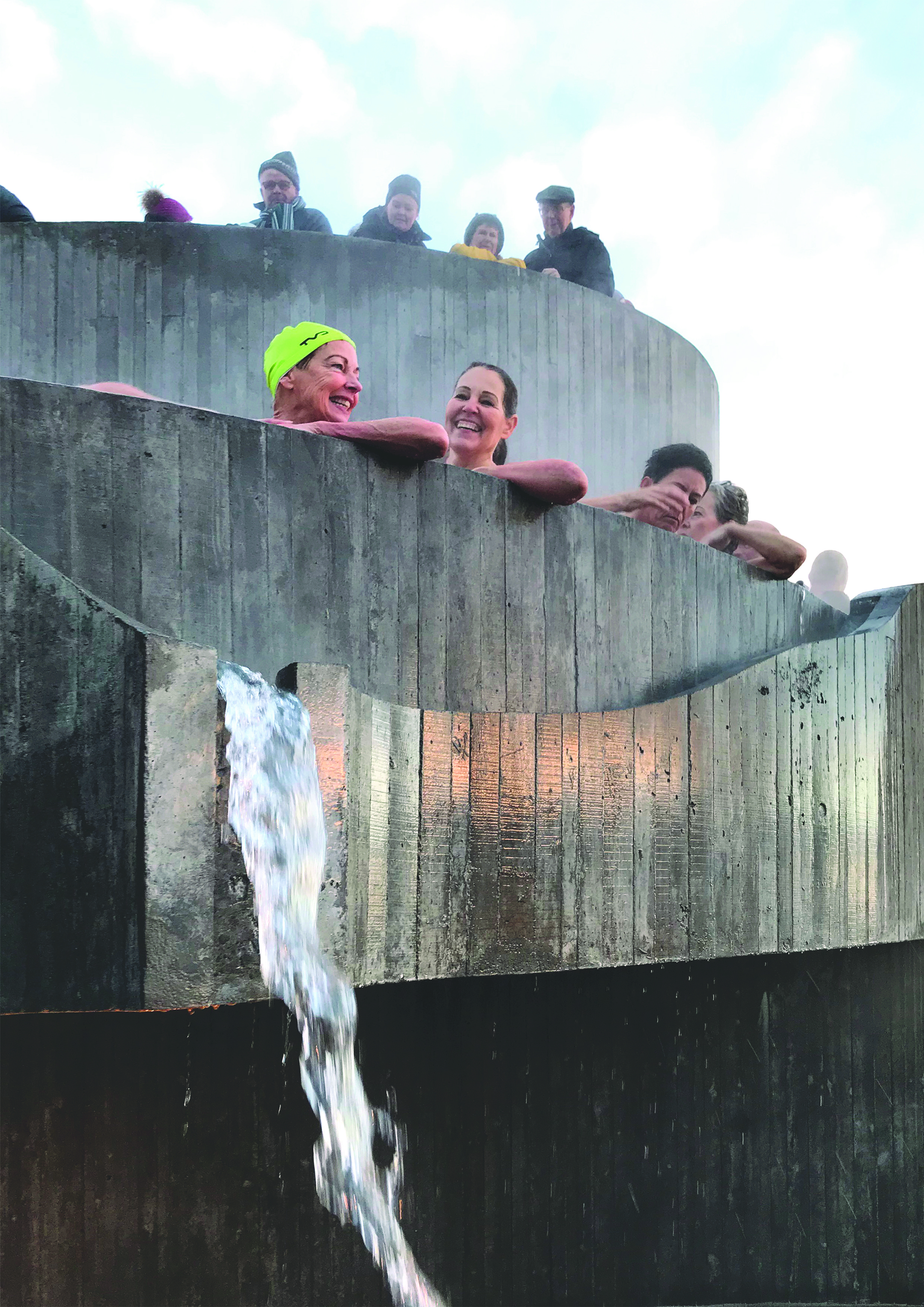
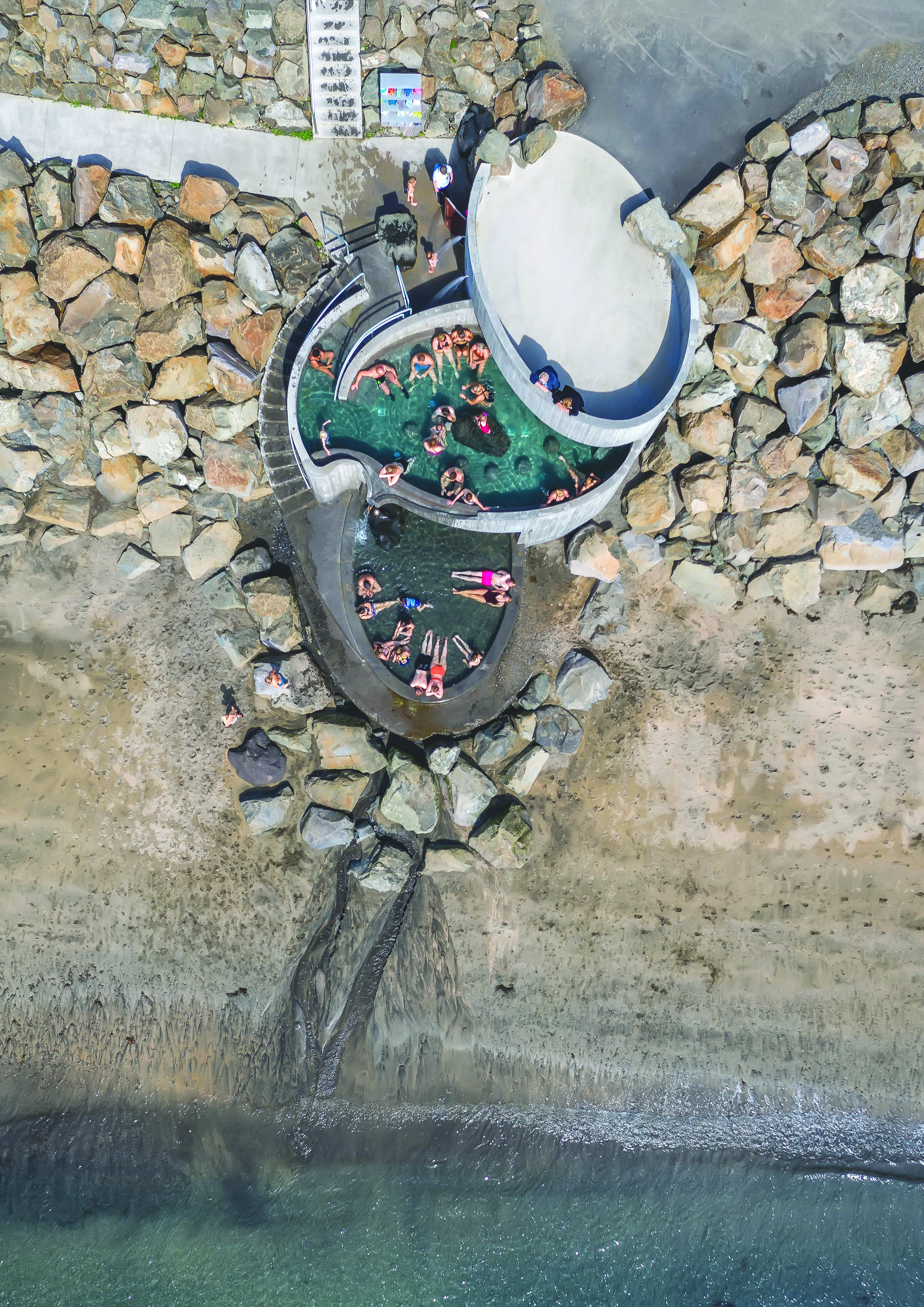
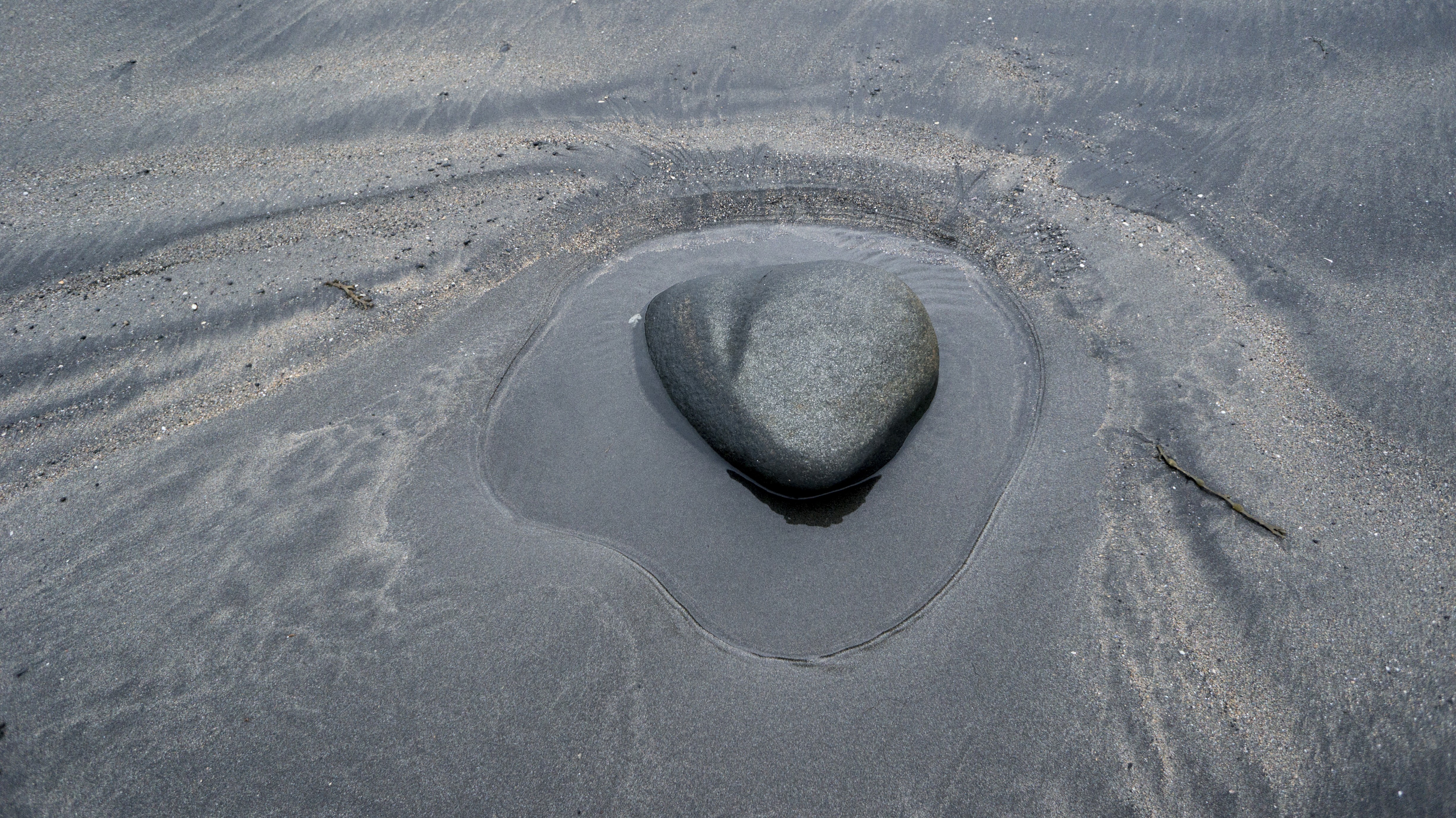
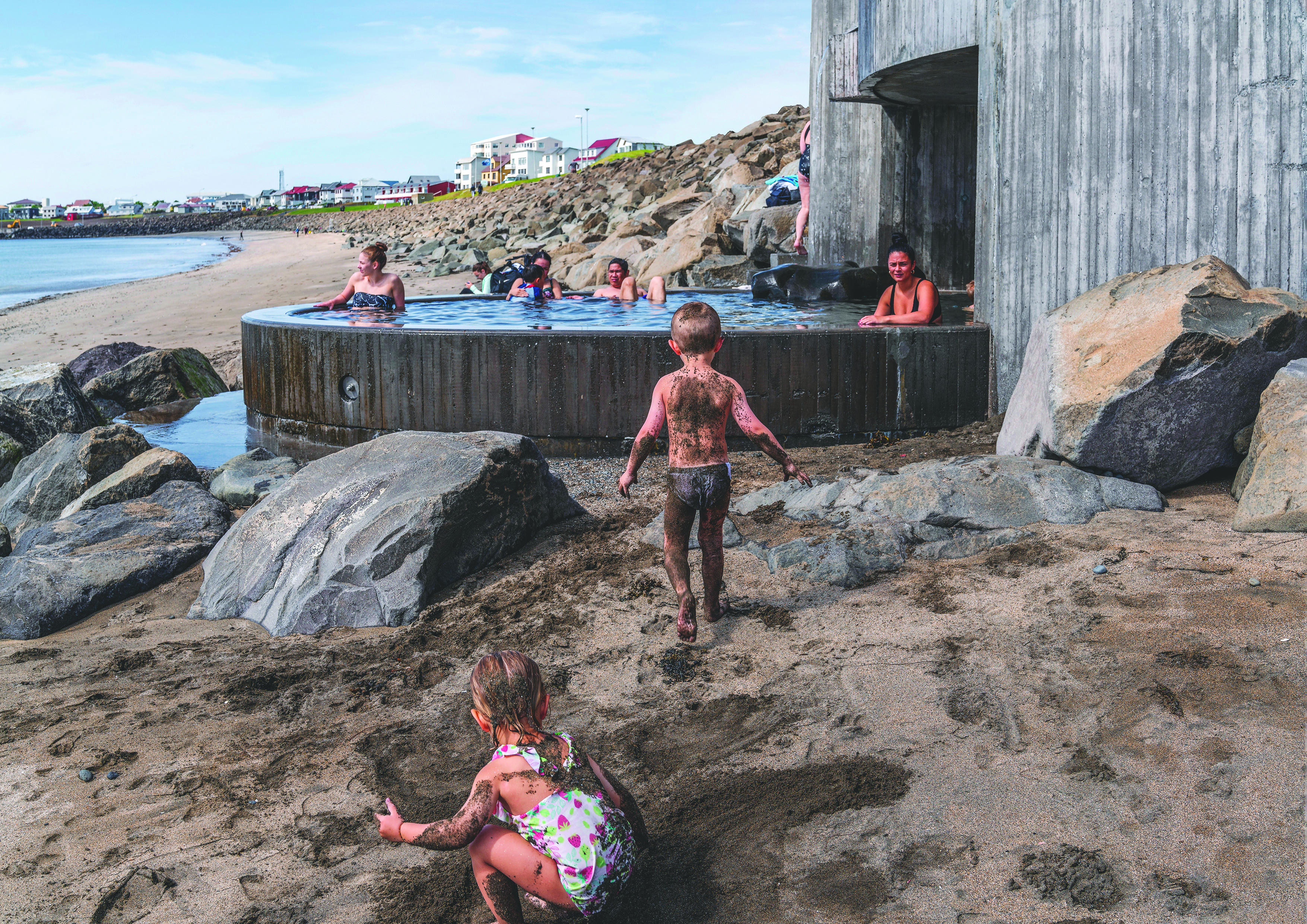
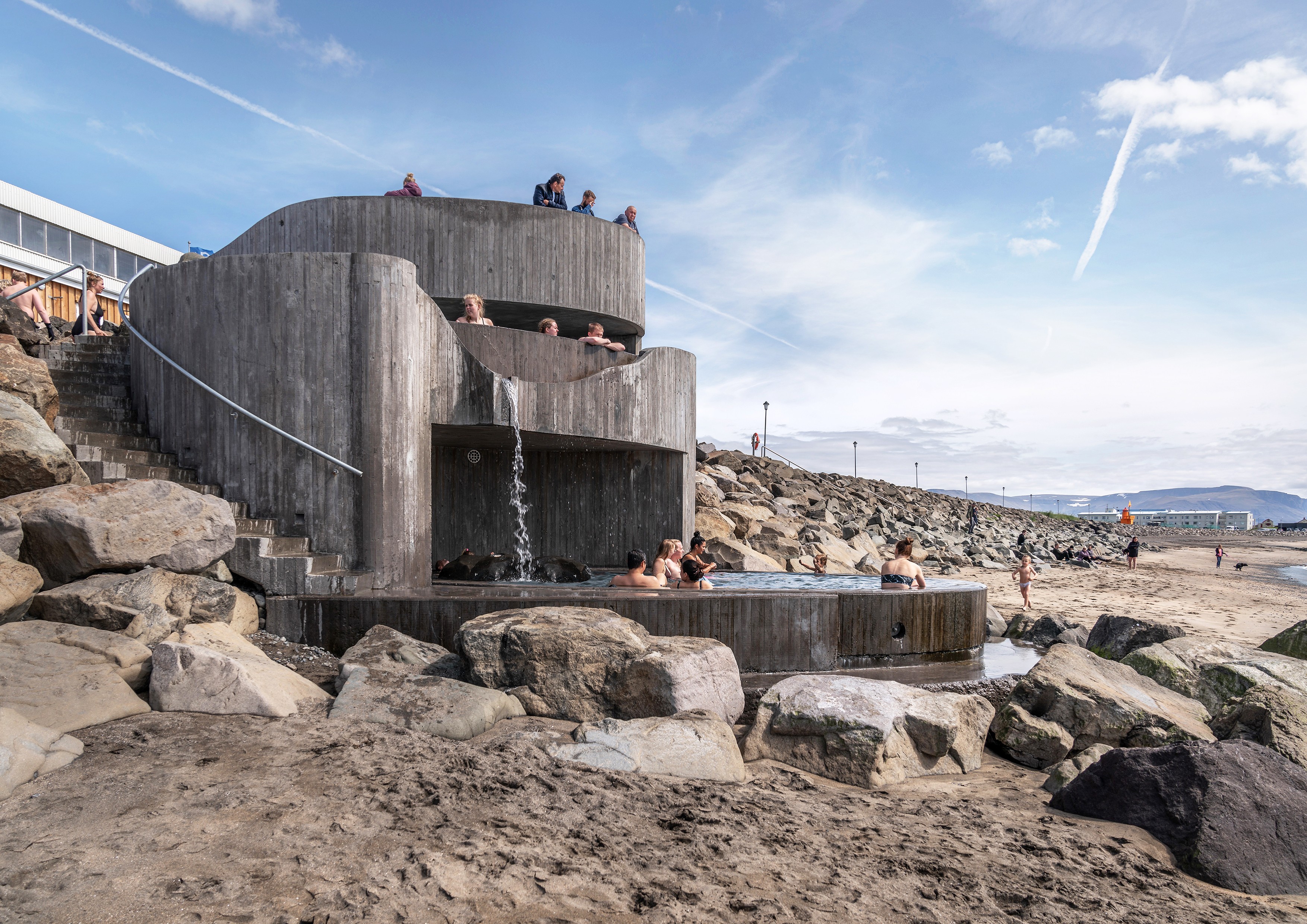
The architectural concept draws from naturally occurring seawater pools that form between rocks as the tide recedes. This idea is translated into a three-tiered structure embedded within the breakwater, each level organised around a single rock. The upper platform forms a viewing deck inspired by the bow of a boat, the middle accommodates the main geothermal pool, and the lower level creates a cooler beach pool that mediates between hot water and the ocean. At high tide, waves reach the structure, while at low tide smaller pools form along the shore, reinforcing the relationship between architecture and natural processes.

The architectural concept draws from naturally occurring seawater pools that form between rocks as the tide recedes. This idea is translated into a three-tiered structure embedded within the breakwater, each level organised around a single rock. The upper platform forms a viewing deck inspired by the bow of a boat, the middle accommodates the main geothermal pool, and the lower level creates a cooler beach pool that mediates between hot water and the ocean. At high tide, waves reach the structure, while at low tide smaller pools form along the shore, reinforcing the relationship between architecture and natural processes.

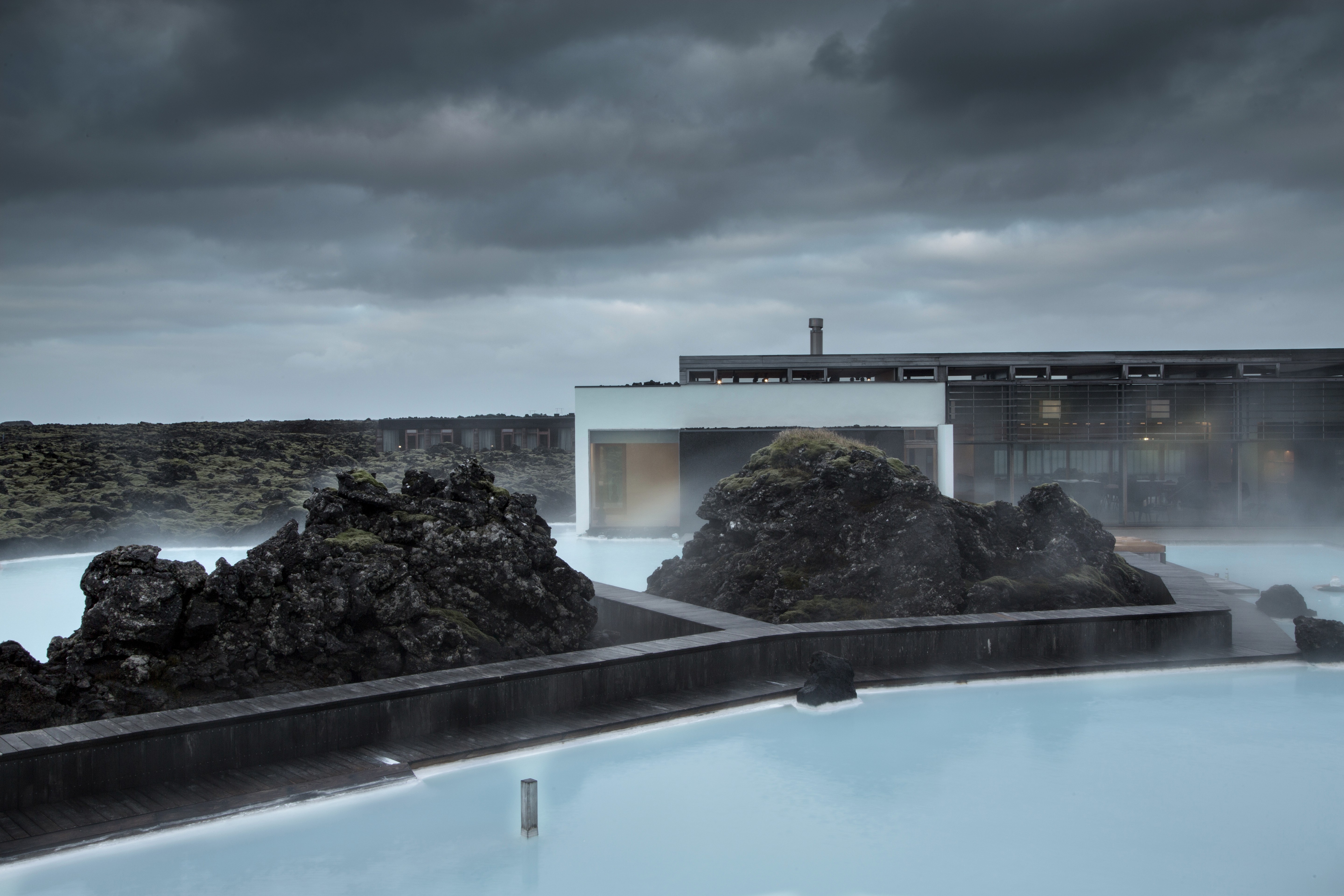
The structure is constructed in marine-grade concrete, designed to withstand the harsh coastal environment. Prefabricated elements were used to ensure quality and efficiency during construction. Rocks from the existing barrier are integrated into the pools, strengthening the connection to place. Untreated geothermal water is sourced from Deildartunguhver, Europe’s most powerful hot spring, and channelled directly to the site. Supporting facilities are integrated into the repurposed substructure of the adjacent stadium, minimising additional footprint.

Funded through a collaboration between the Jón Gunnlaugsson and Guðlaug Gunnlaugsdóttir memorial fund, Akranes Municipality and public grants, the project began with a simple brief: to place a hot pool by the beach. Its impact has extended beyond this initial ambition. Guðlaug has strengthened the town’s identity, increased visitor numbers and contributed positively to the local economy. At the same time, it remains a modest and robust intervention.

The structure is constructed in marine-grade concrete, designed to withstand the harsh coastal environment. Prefabricated elements were used to ensure quality and efficiency during construction. Rocks from the existing barrier are integrated into the pools, strengthening the connection to place. Untreated geothermal water is sourced from Deildartunguhver, Europe’s most powerful hot spring, and channelled directly to the site. Supporting facilities are integrated into the repurposed substructure of the adjacent stadium, minimising additional footprint.

Funded through a collaboration between the Jón Gunnlaugsson and Guðlaug Gunnlaugsdóttir memorial fund, Akranes Municipality and public grants, the project began with a simple brief: to place a hot pool by the beach. Its impact has extended beyond this initial ambition. Guðlaug has strengthened the town’s identity, increased visitor numbers and contributed positively to the local economy. At the same time, it remains a modest and robust intervention.

Credits

Architecture, Landscape Design: Basalt Architects

Project Architect: Sigríður Sigþórsdóttir

Project Manager: Hrólfur Karl Cela

Design Team: Dagbjört Jónsdóttir, Guðjón Kjartansson, Jón Guðmundsson

Collaborators

Engineering: Mannvit

Lighting Design: Liska

General Contractor: Ístak

Photographer

Ragnar Th Sigurðsson - Arctic Images, Michal Mogila, Katla Maríudóttir, Jón Sævar Hallvarðsson