Fosshótel Mývatn

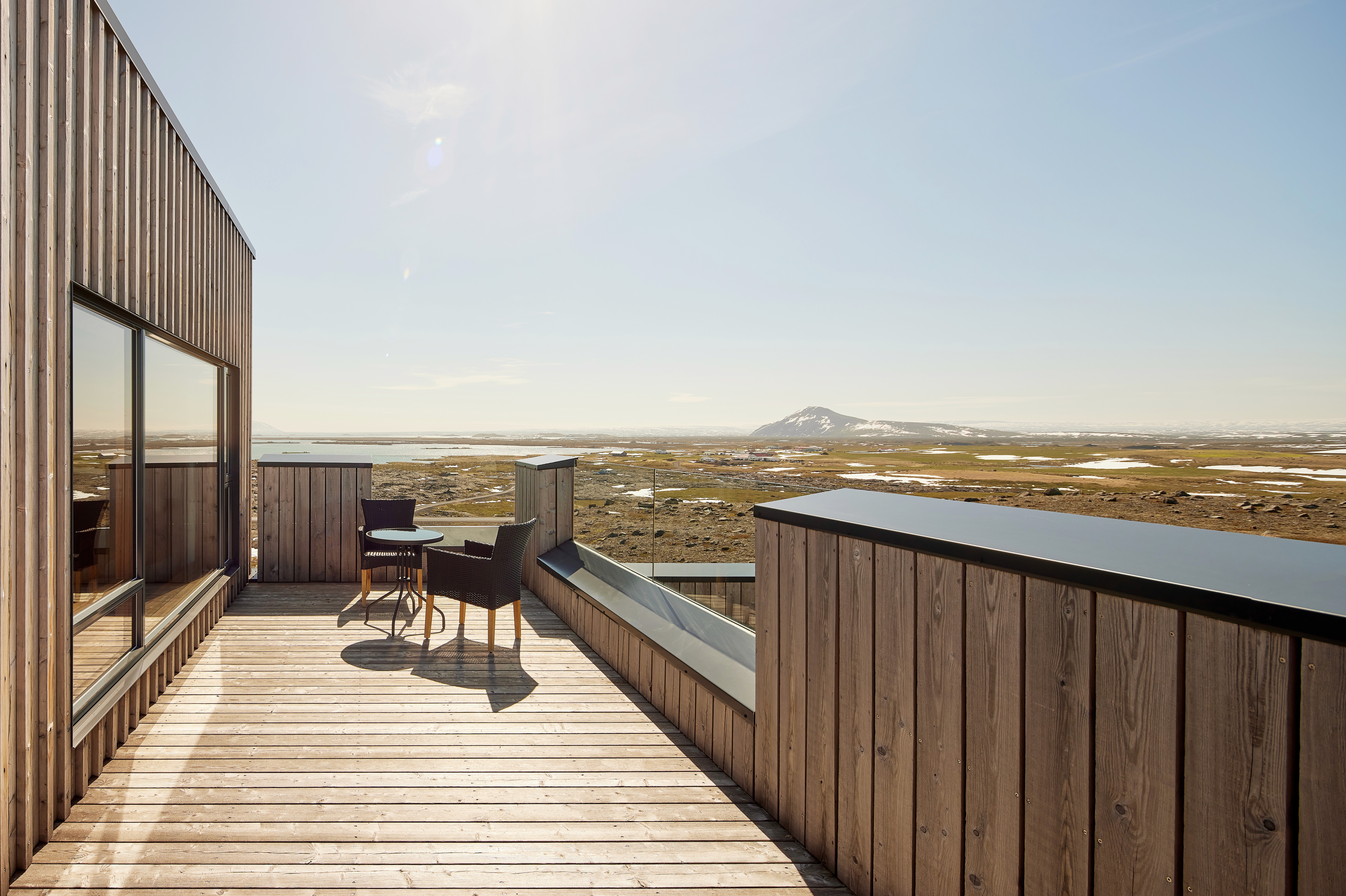
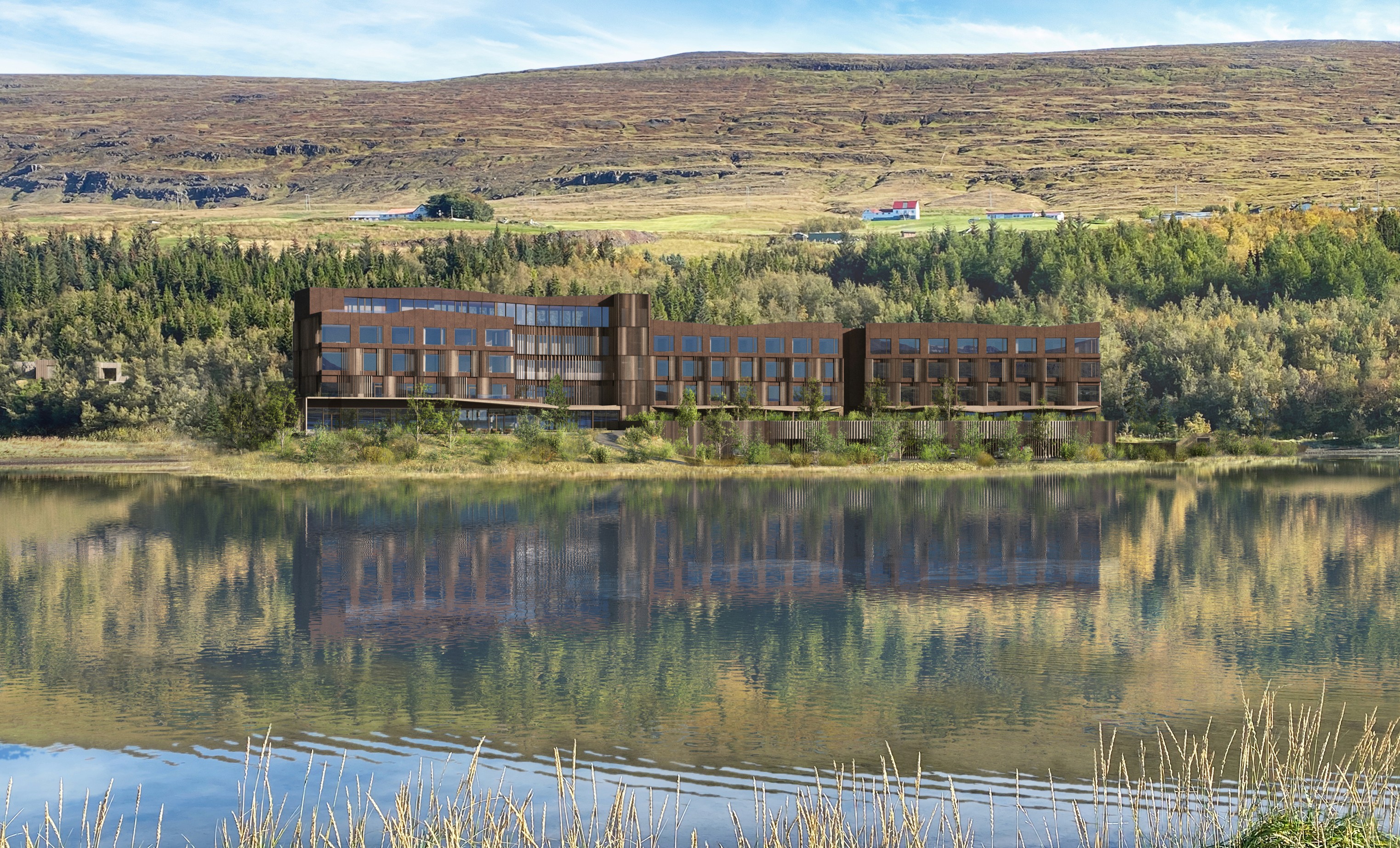
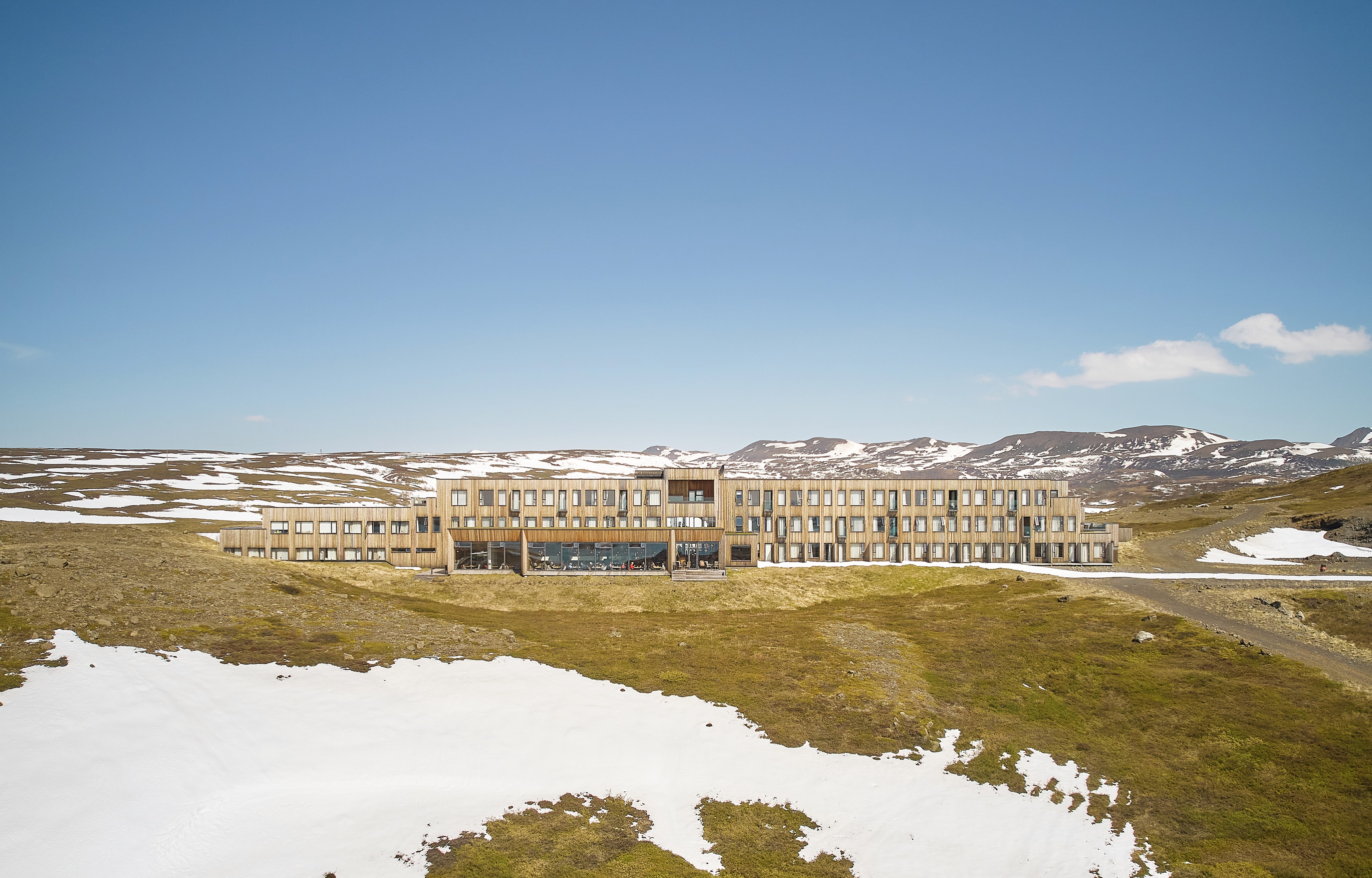
Fosshótel Mývatn is a hotel designed in close response to its surroundings. Positioned between hills overlooking the popular desination Lake Mývatn in the north of Iceland, the building uses a compact form, natural materials and timber construction to reduce its footprint while maintaining a strong visual and spatial connection to the landscape.

Location
Mývatn, Iceland
Status
Completed
Typology
Hospitality
Hospitality
All
All
Size
4600 m2
Year
2017
Client
Fosshótel
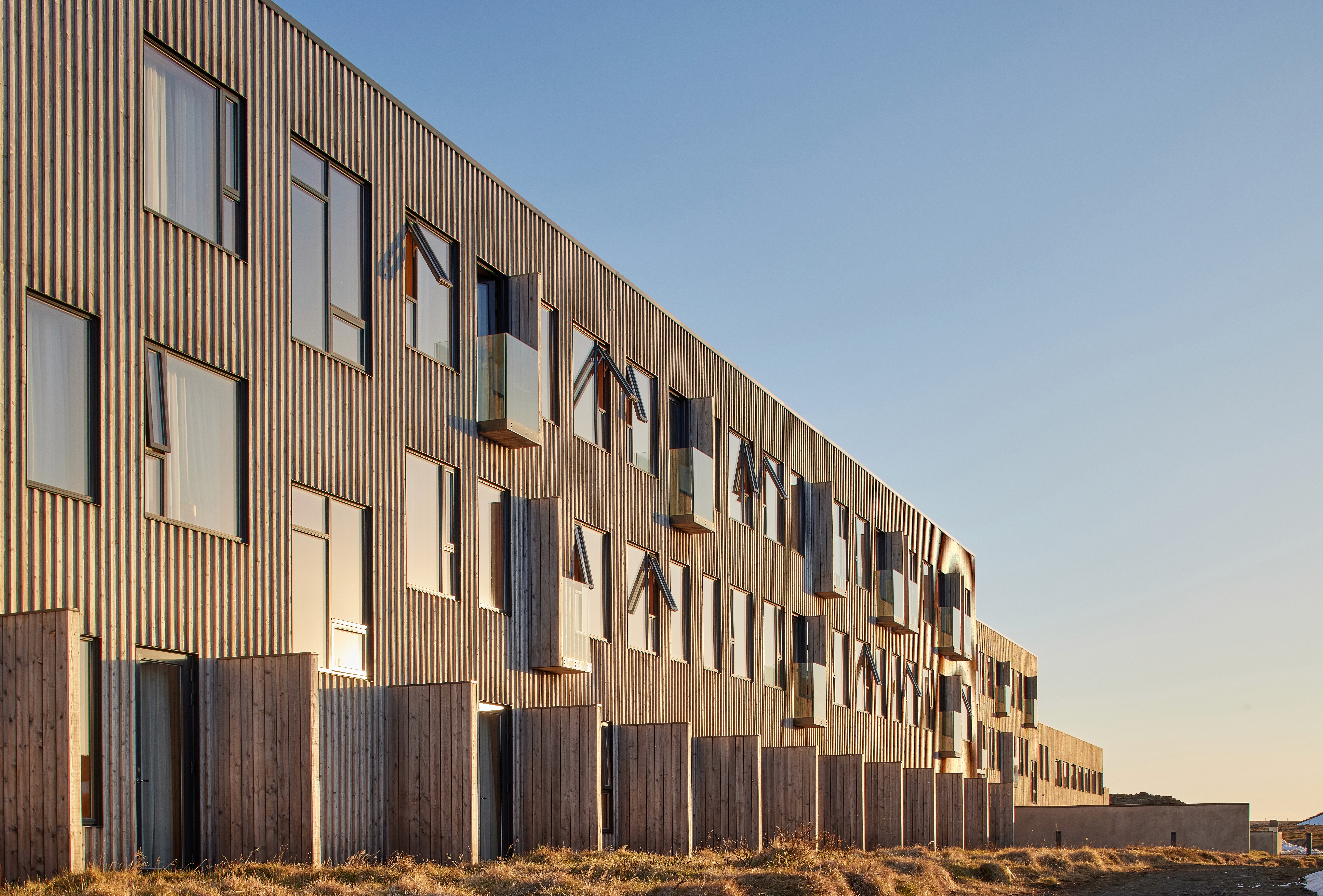
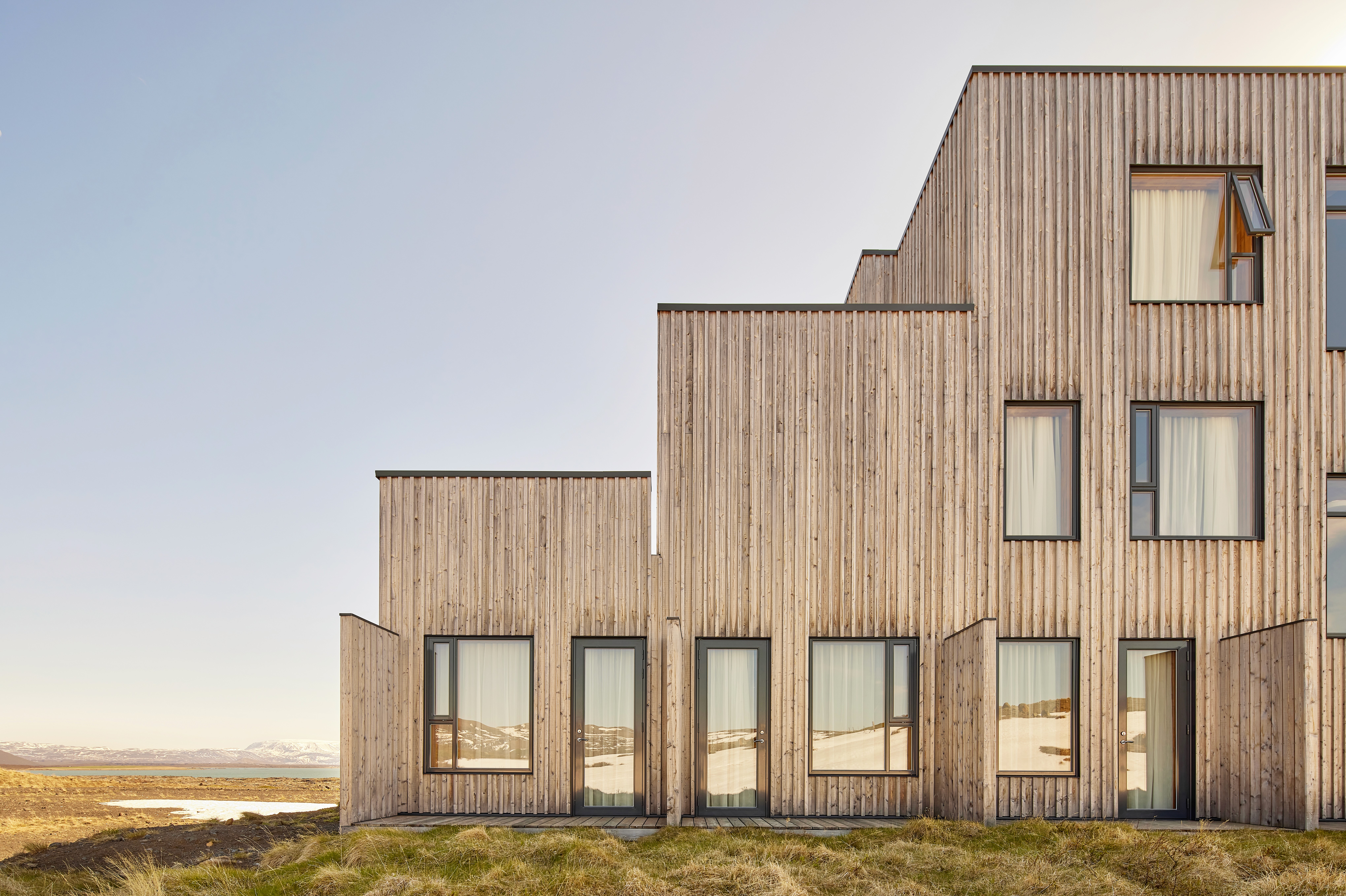
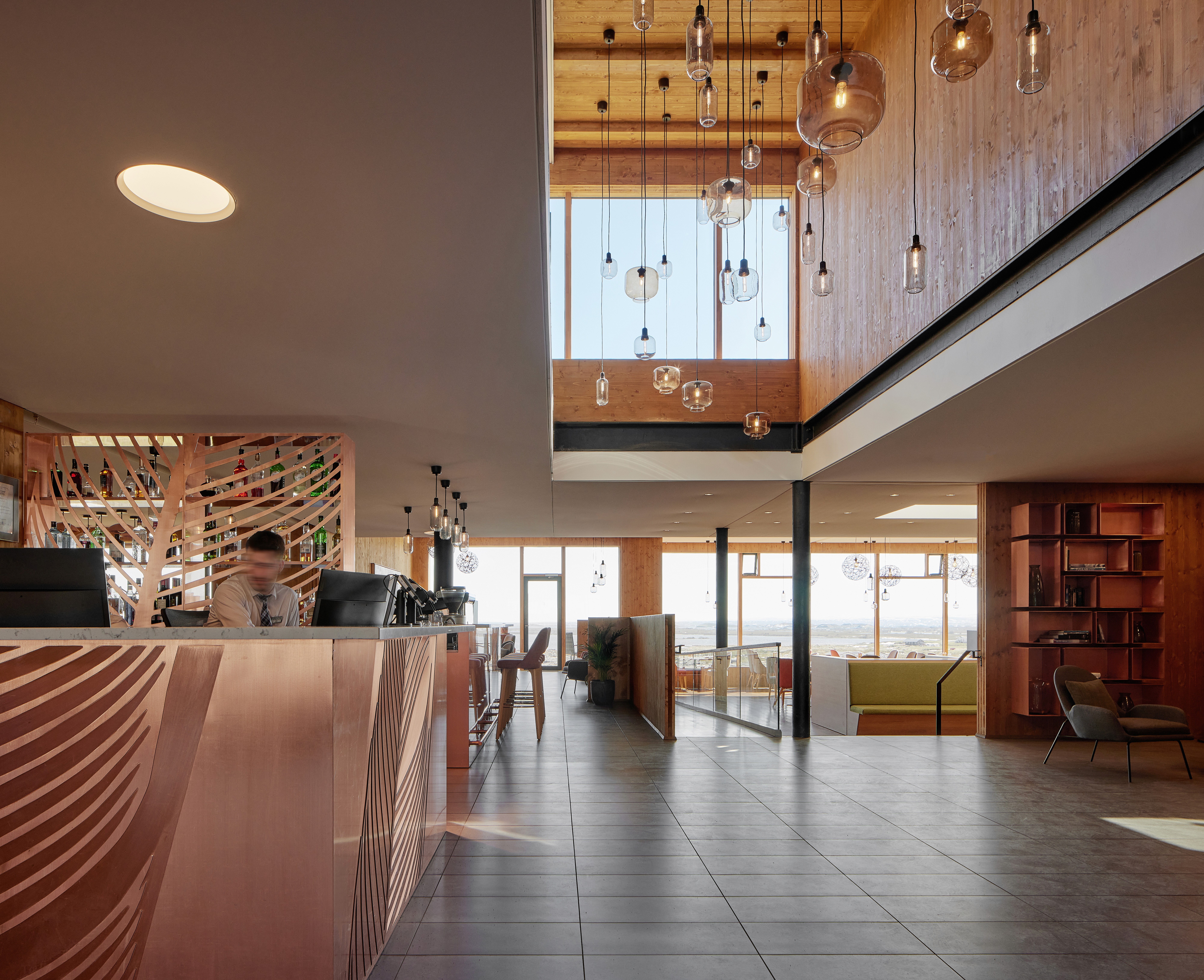
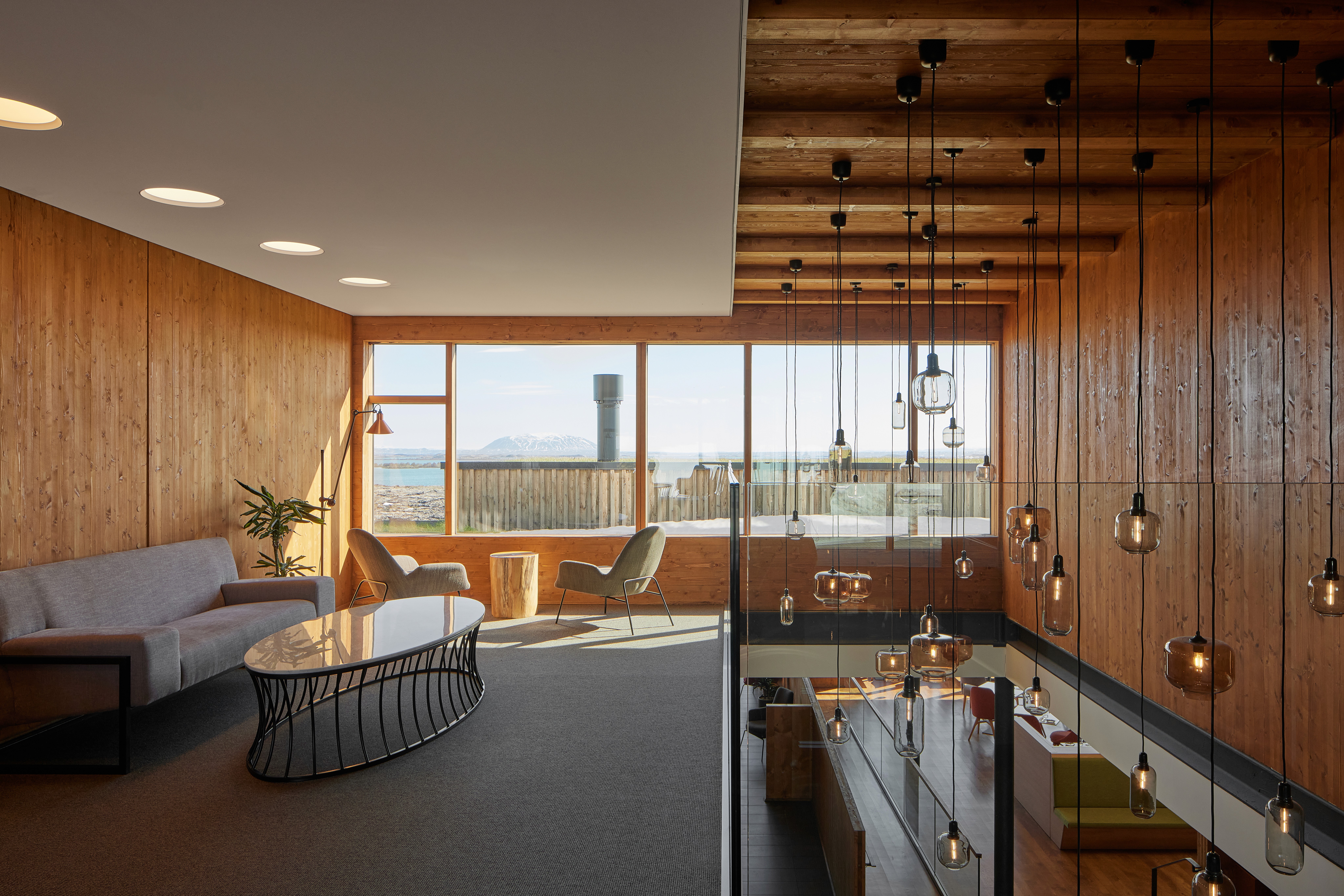
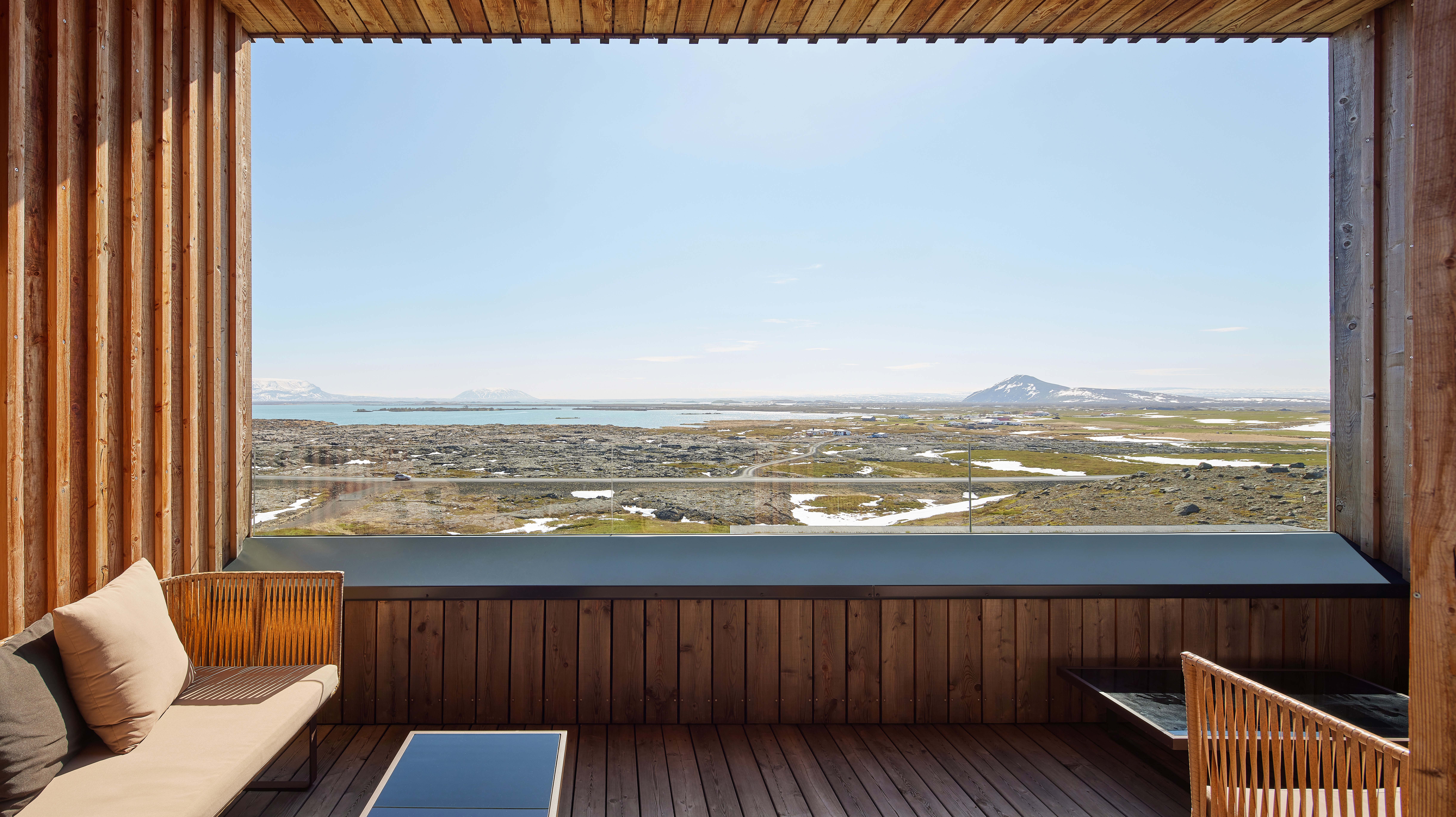
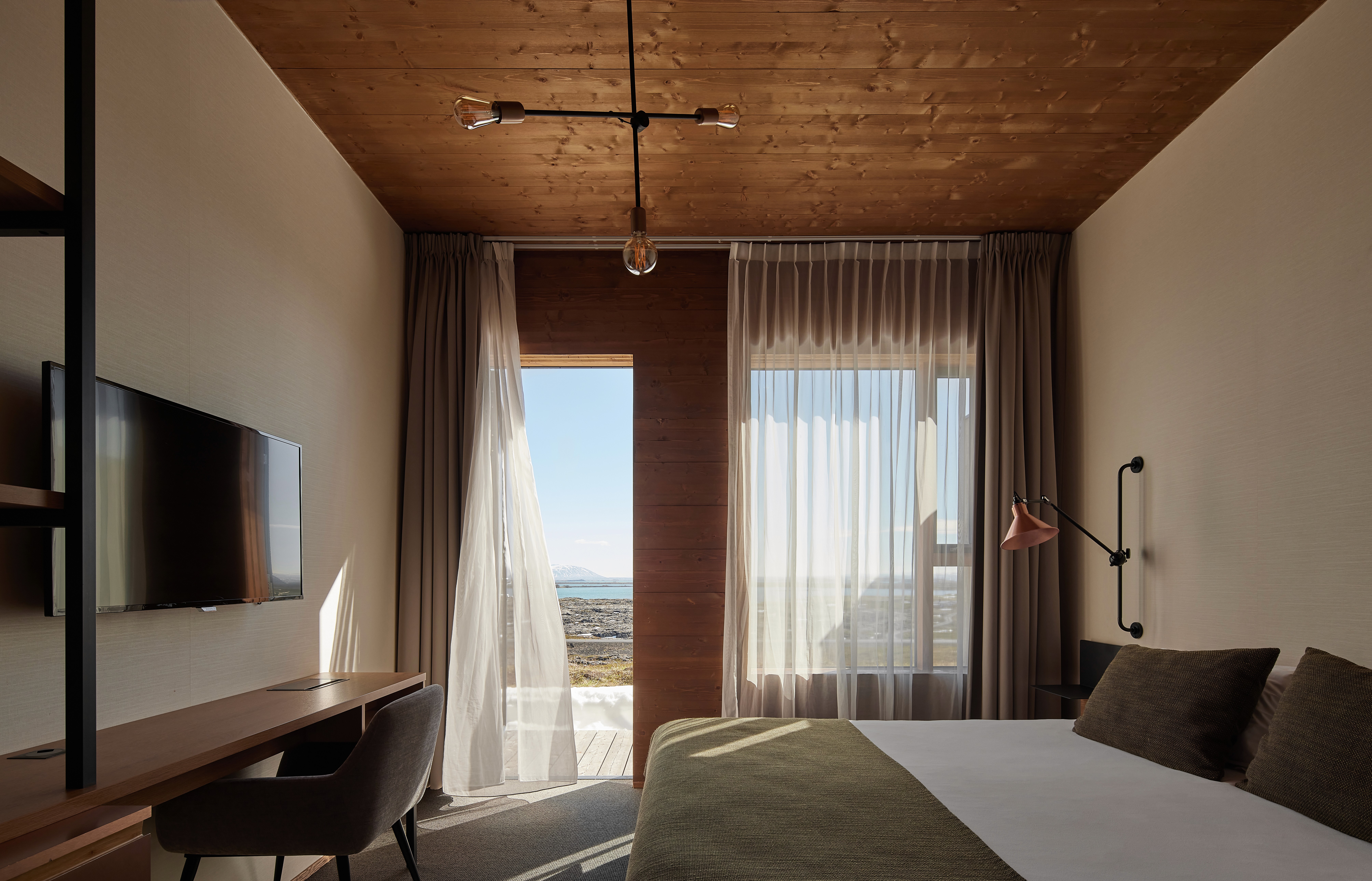
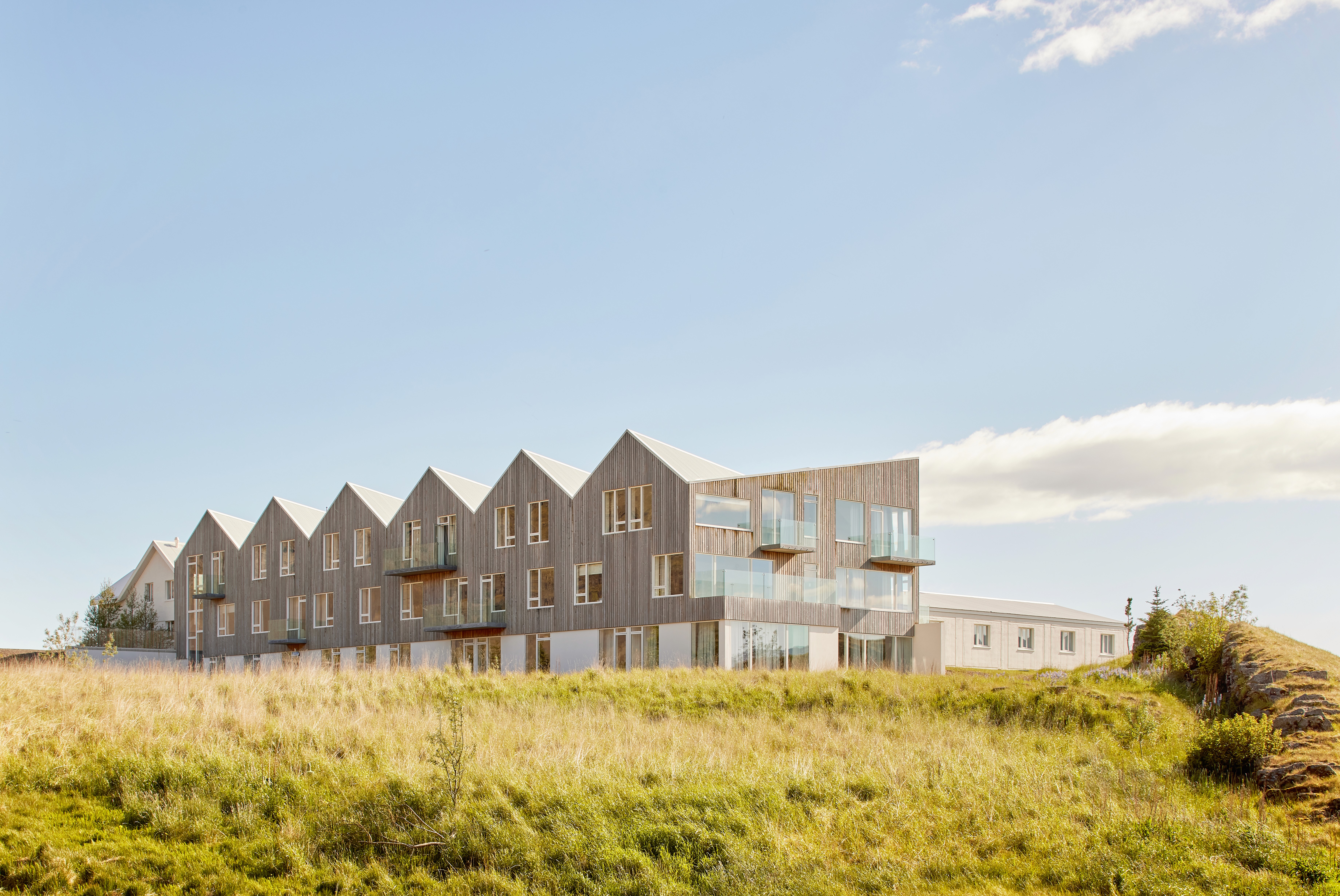
Fosshótel Mývatn is a hotel designed to accommodate both guests and staff within a cohesive architectural framework. The building comprises 92 guest rooms across three floors, including three suites with private terraces and outdoor jacuzzies, alongside a restaurant and lounge oriented toward the lake, wellness facilities on the upper level, and a dedicated staff wing with 23 rooms.

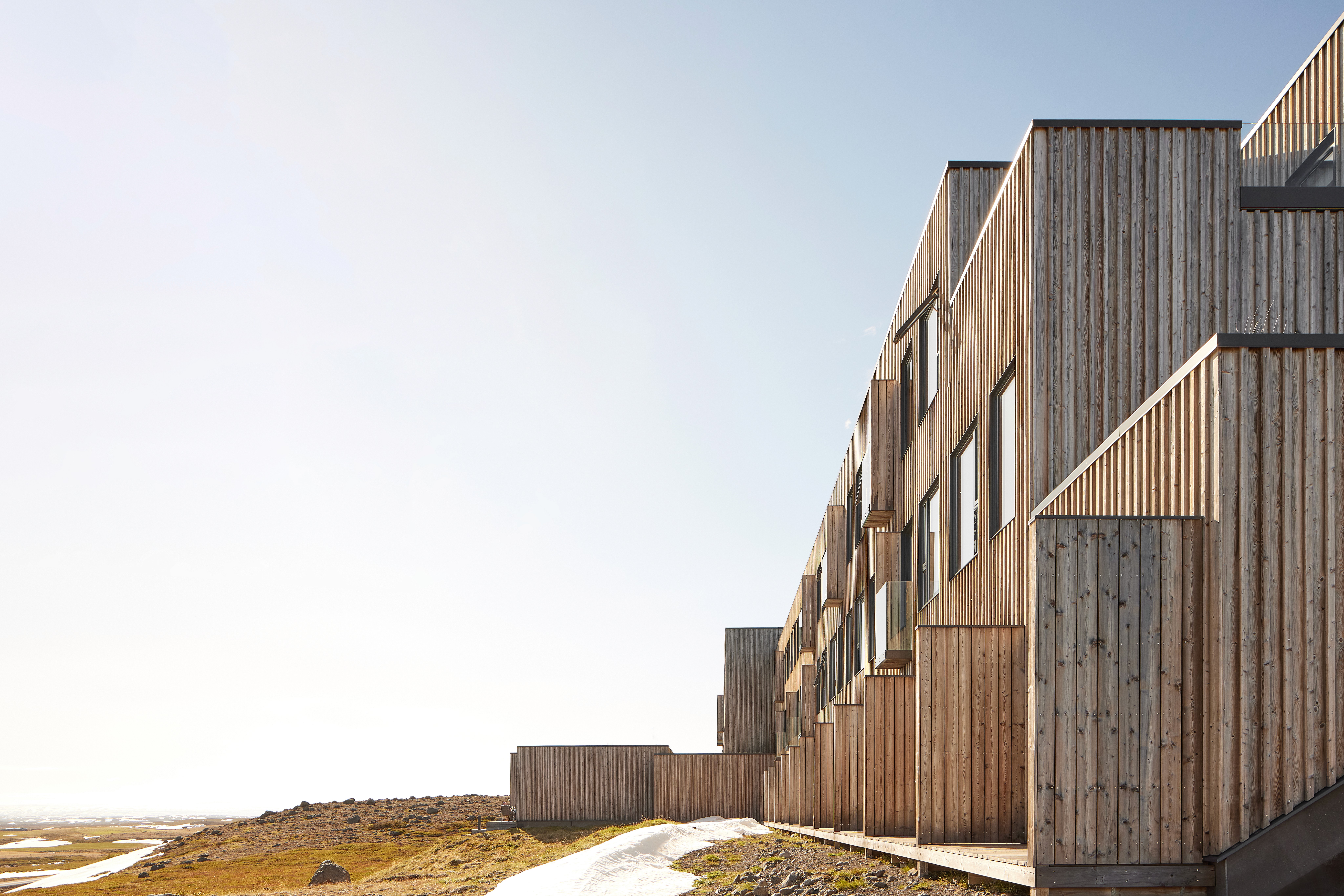
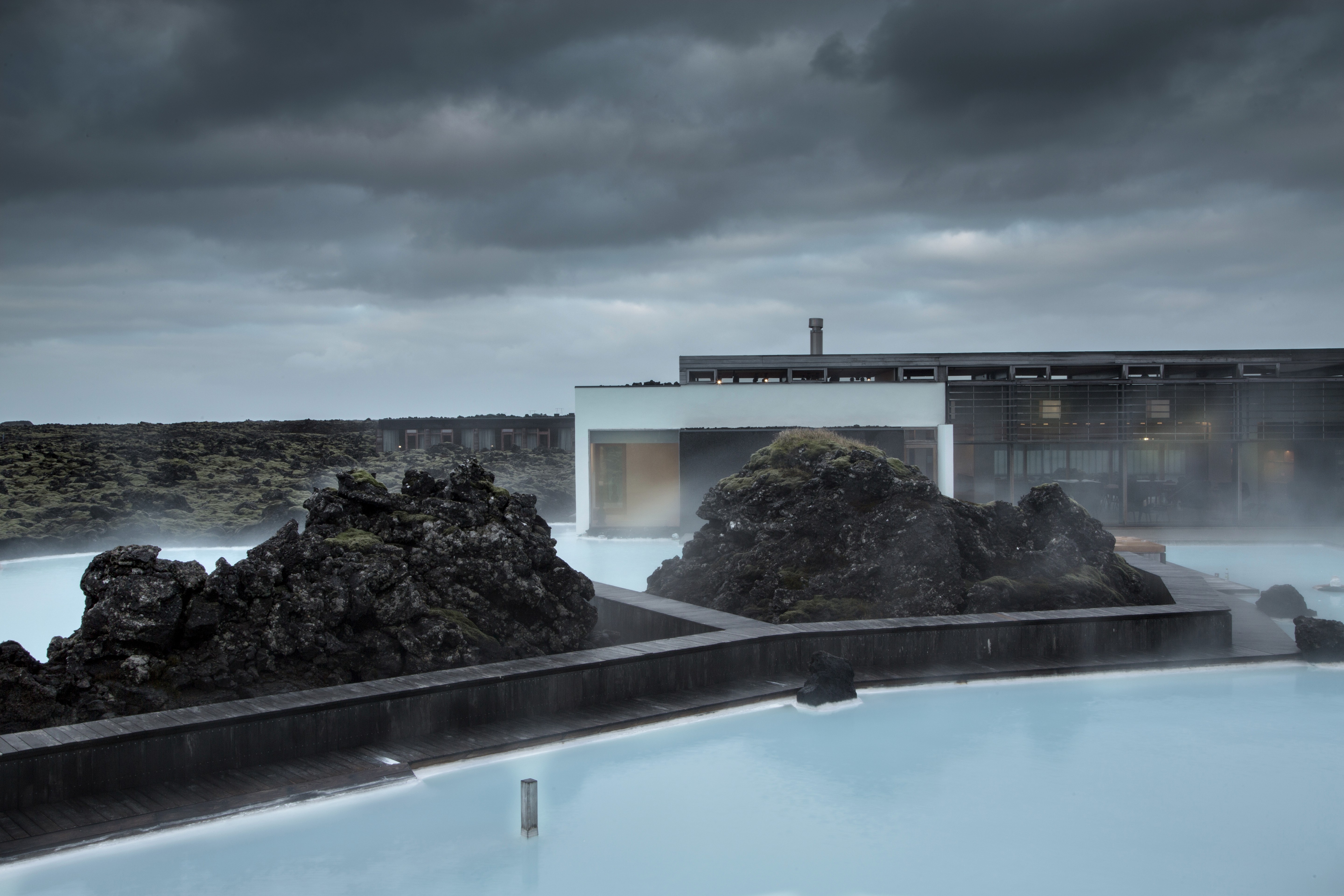
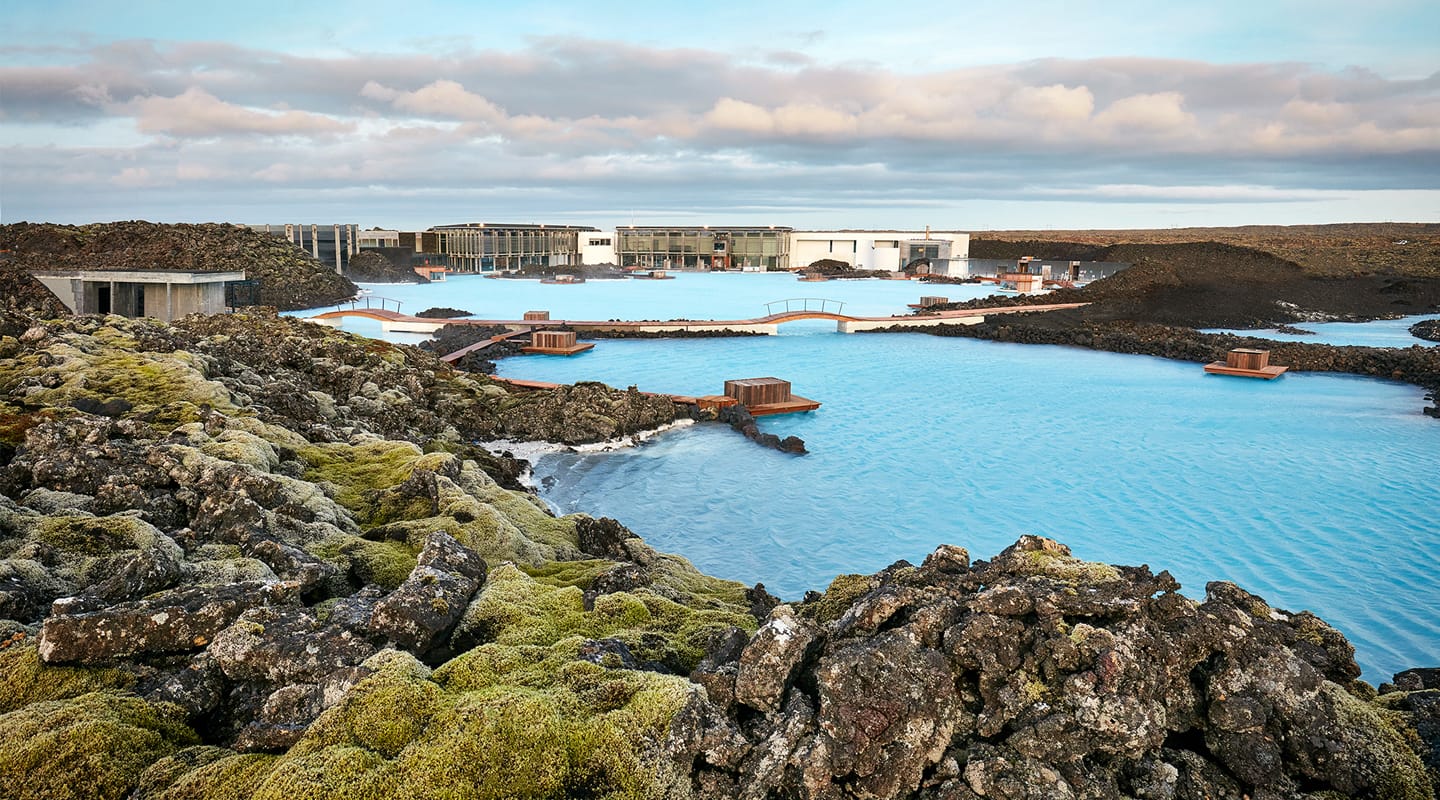
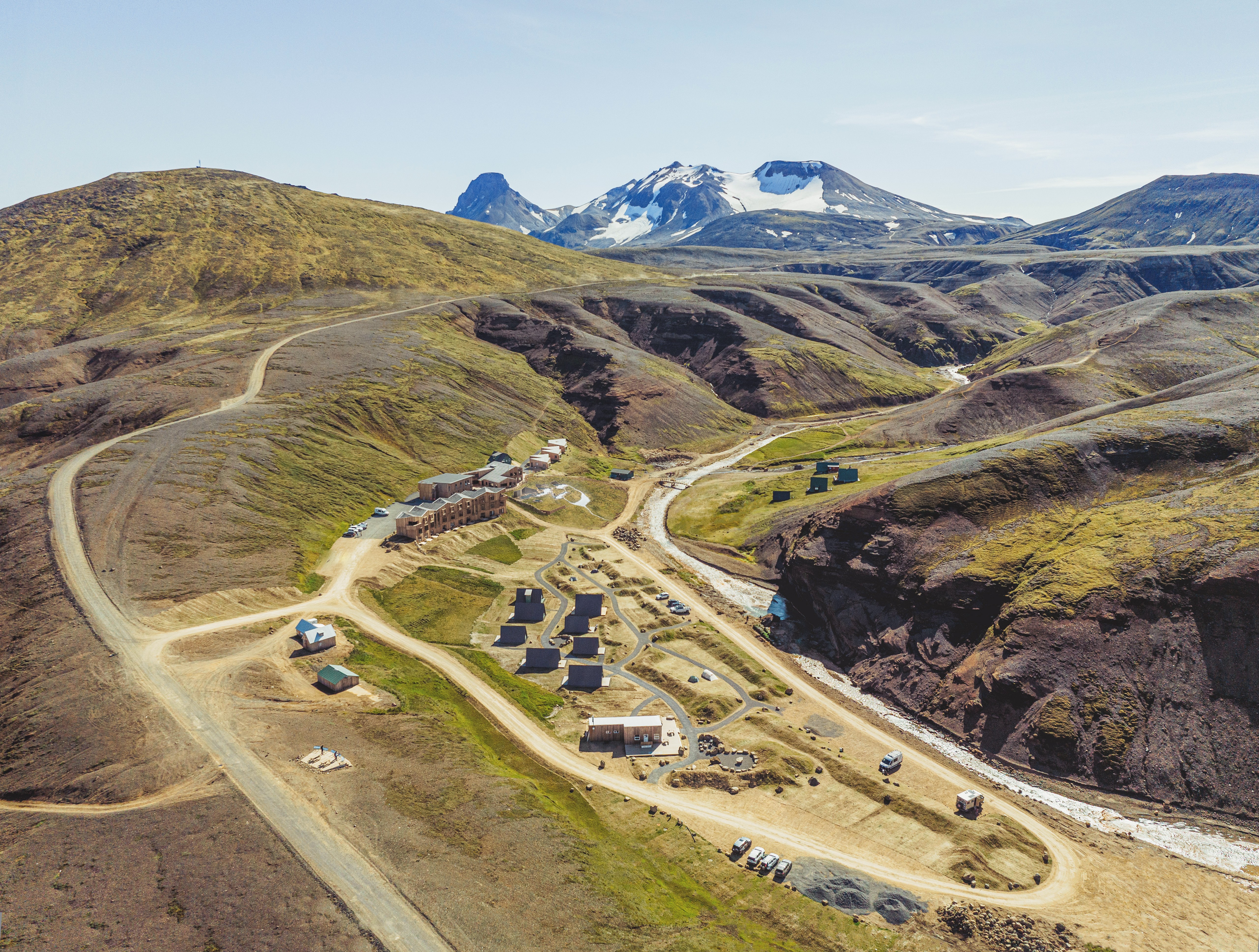
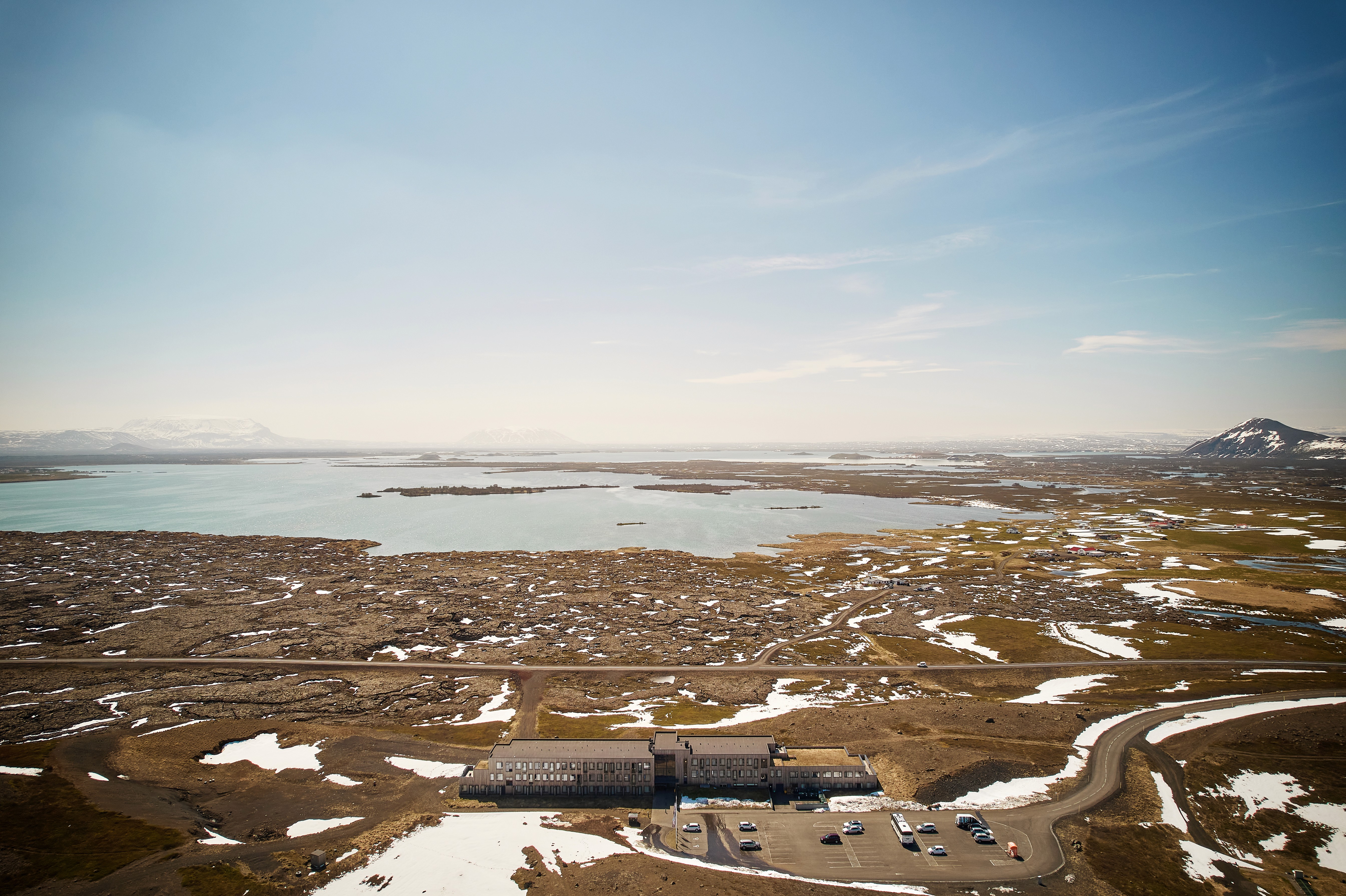
The project is located on the northern edge of Lake Mývatn, within a distinctive volcanic landscape shaped by lava fields, rolling terrain and expansive views. The building is positioned on a natural plateau between two hills, allowing it to sit within the landform while maintaining clear views toward the lake. Its placement follows existing site conditions and infrastructure, reducing the need for additional intervention in the terrain.

Fosshótel Mývatn is a hotel designed to accommodate both guests and staff within a cohesive architectural framework. The building comprises 92 guest rooms across three floors, including three suites with private terraces and outdoor jacuzzies, alongside a restaurant and lounge oriented toward the lake, wellness facilities on the upper level, and a dedicated staff wing with 23 rooms.

The project is located on the northern edge of Lake Mývatn, within a distinctive volcanic landscape shaped by lava fields, rolling terrain and expansive views. The building is positioned on a natural plateau between two hills, allowing it to sit within the landform while maintaining clear views toward the lake. Its placement follows existing site conditions and infrastructure, reducing the need for additional intervention in the terrain.

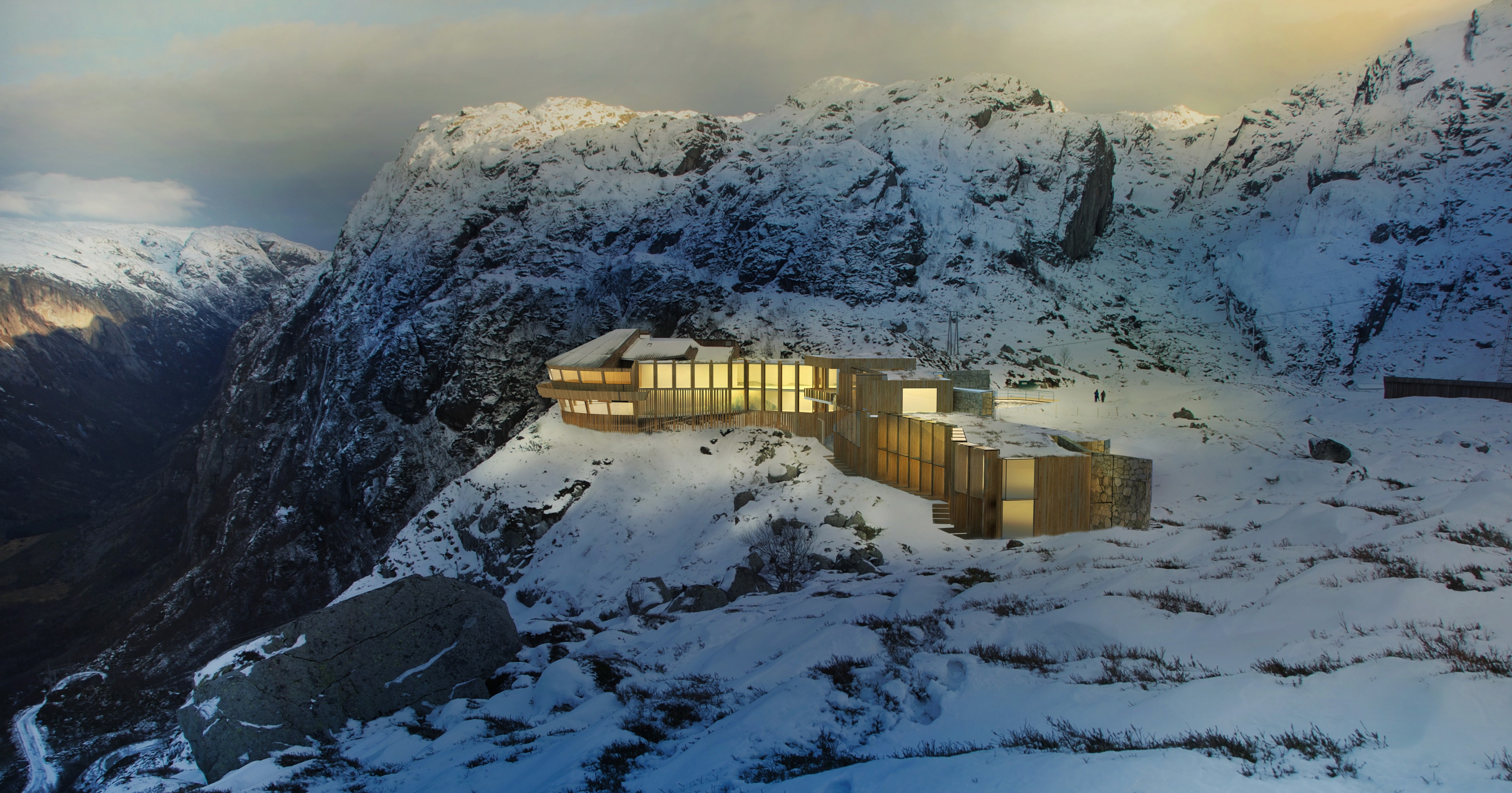
The design is guided by a clear ambition to align the building with its context. The form is organized as a horizontal volume that follows the contours of the land, with its scale and massing carefully controlled. By concentrating the program into a three-storey structure, the footprint is minimized, limiting disturbance to the site. The architecture remains restrained, allowing the surrounding landscape to define the overall experience.

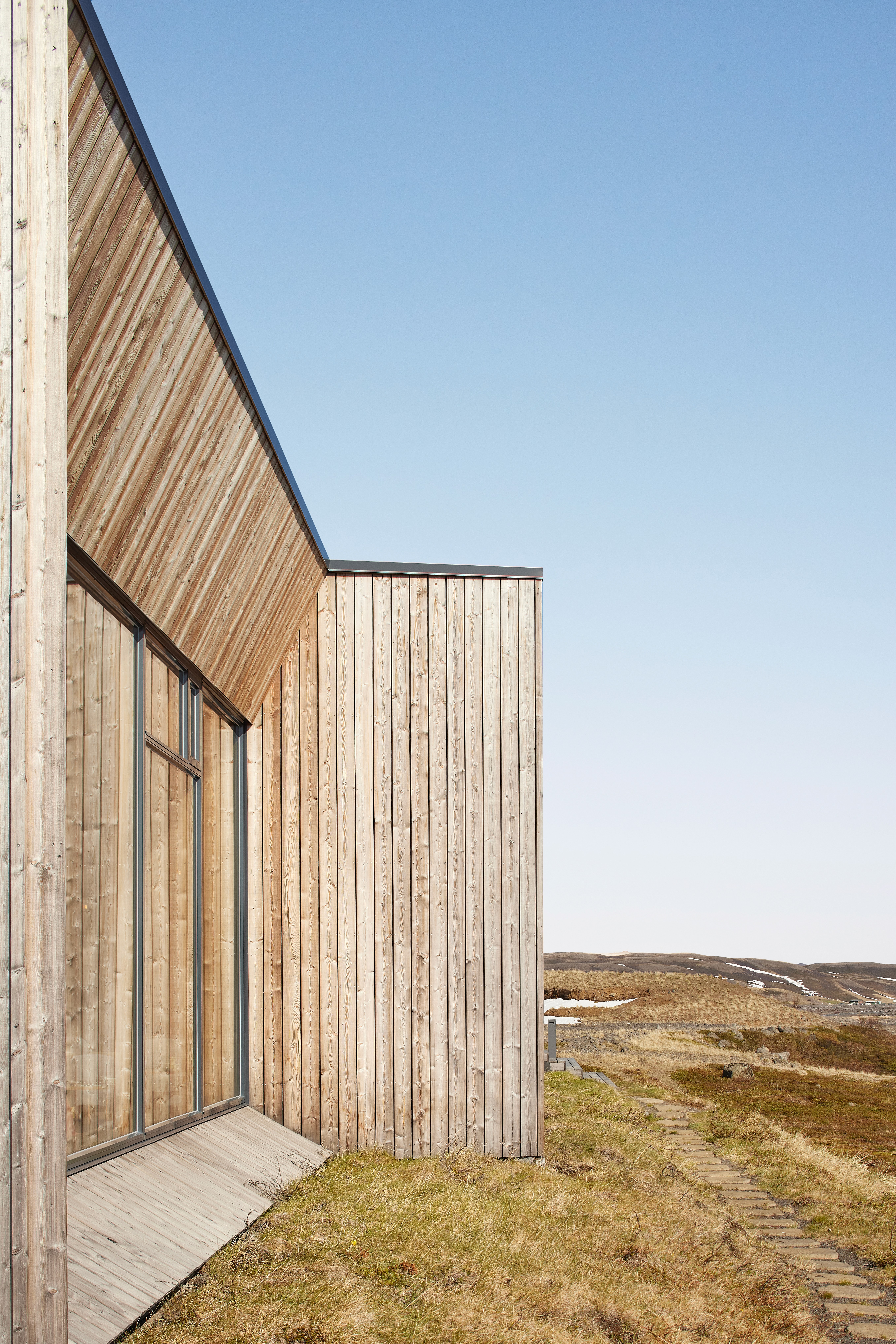
Material and construction strategies support this approach. The building is constructed using cross-laminated timber (CLT), an environmentally responsible structural system. It is insulated externally and clad in untreated larch, designed to weather naturally over time. Grass-covered roofs further anchor the building visually within its surroundings, while subdued lighting and carefully placed openings reinforce a calm and considered relationship to the site.

The design is guided by a clear ambition to align the building with its context. The form is organized as a horizontal volume that follows the contours of the land, with its scale and massing carefully controlled. By concentrating the program into a three-storey structure, the footprint is minimized, limiting disturbance to the site. The architecture remains restrained, allowing the surrounding landscape to define the overall experience.

Material and construction strategies support this approach. The building is constructed using cross-laminated timber (CLT), an environmentally responsible structural system. It is insulated externally and clad in untreated larch, designed to weather naturally over time. Grass-covered roofs further anchor the building visually within its surroundings, while subdued lighting and carefully placed openings reinforce a calm and considered relationship to the site.


Credits

Architecture, Interior Design, Landscape Design: Basalt Architects

Project Architect: Sigríður Sigþórsdóttir

Project Manager: Marcos Zotes

Design Team: Ari Þorleifsson, Guðjón Kjartansson, Harpa Heimisdóttir, Rut Sigurmonsdóttir

Collaborators

Engineering: Mannvit, KLH
Lighting Design: Liska
Contractor: BEKA

Photographer

Nanne Springer