C40 Fabric

FABRIC is a communal mixed-use building in Reykjavík where living, working, cultivation, and social life are closely connected. Organized around shared spaces and urban agriculture, the project explores new forms of collective living and low-carbon urban development.

Location
Reykjavík, Iceland
Status
Ongoing
Typology
Residential
Residential
Urbanism
Urbanism
All
All
Size
14.500 m2
Year
2020
Client
Klasi
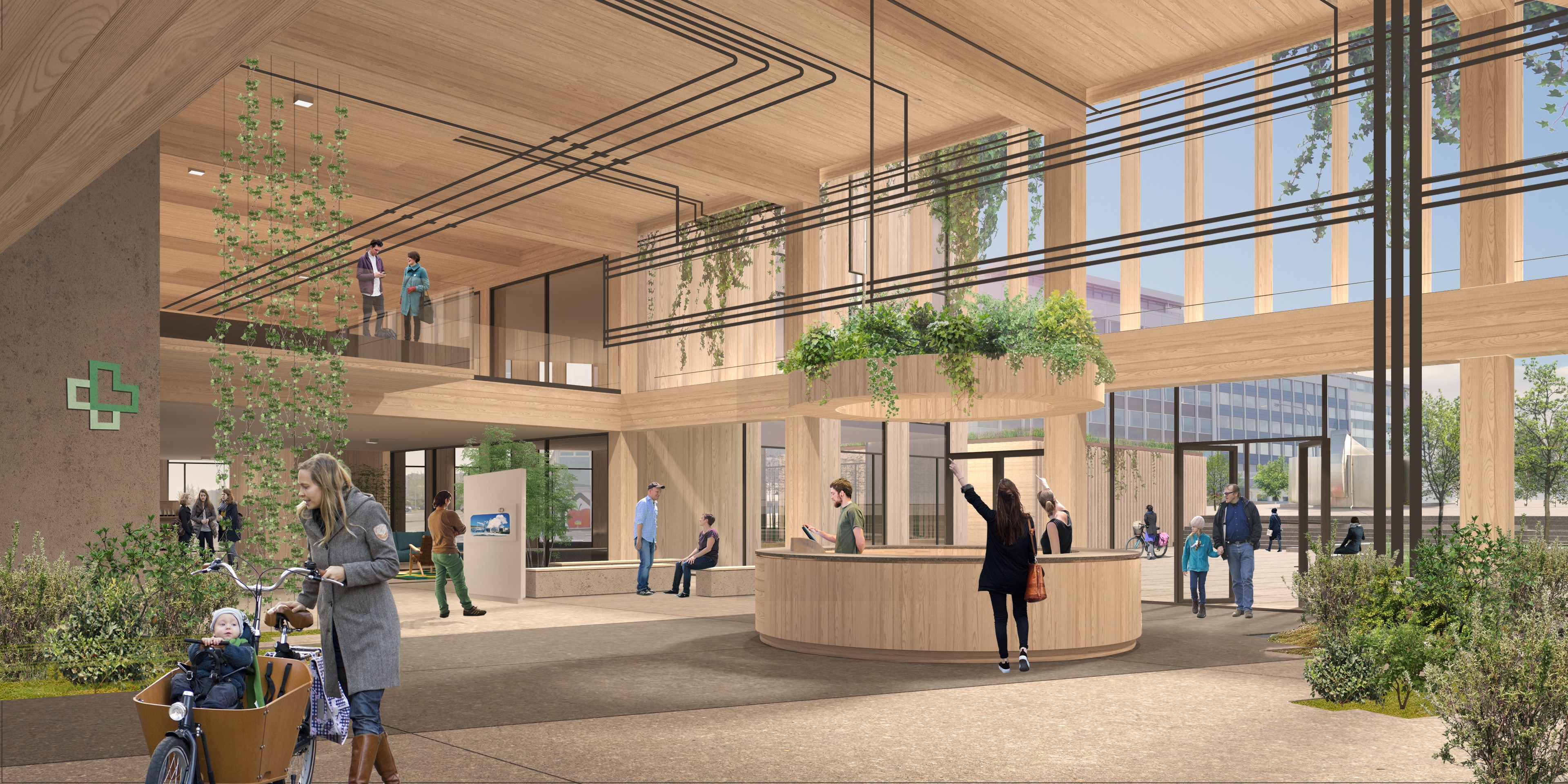
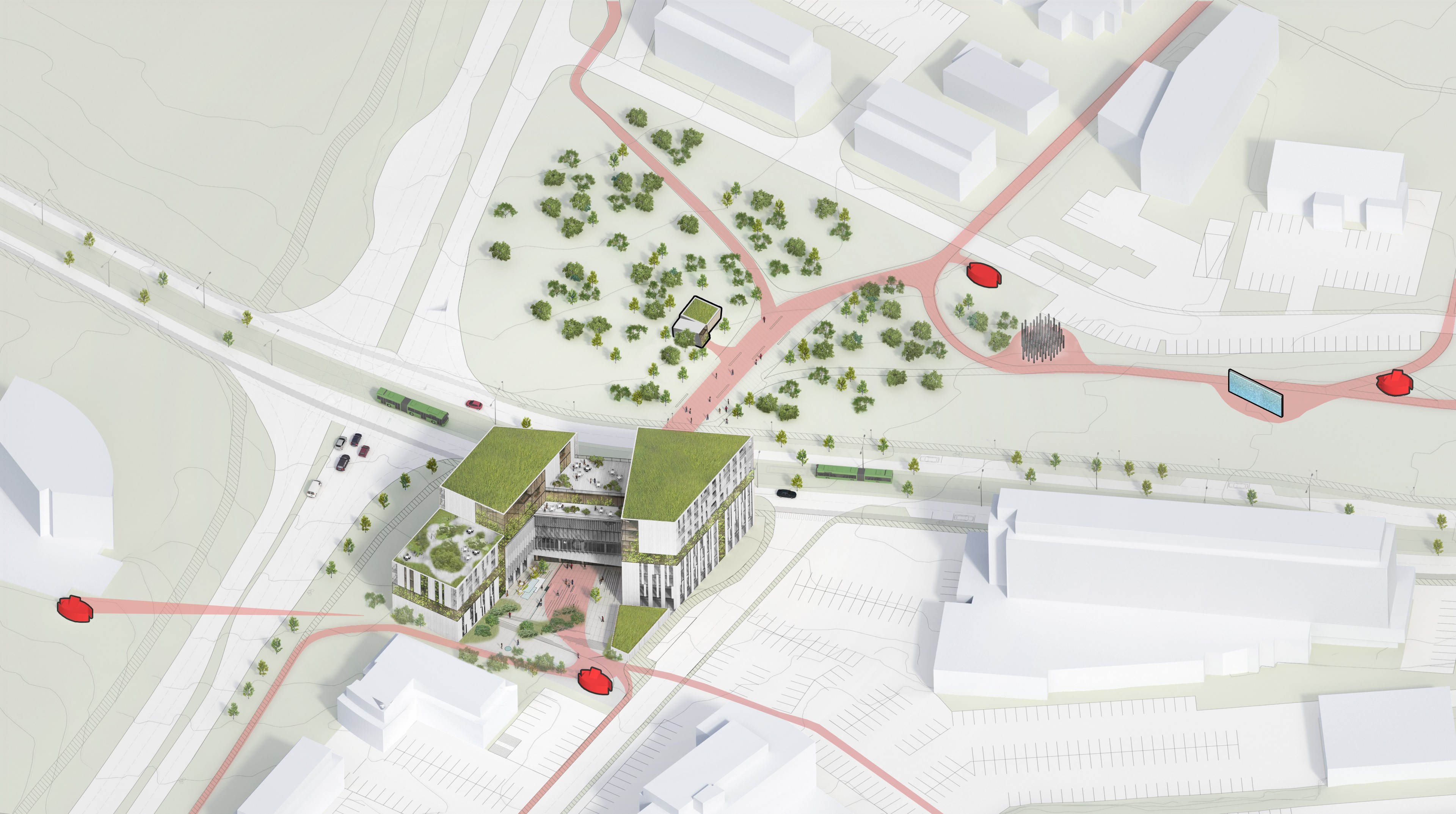
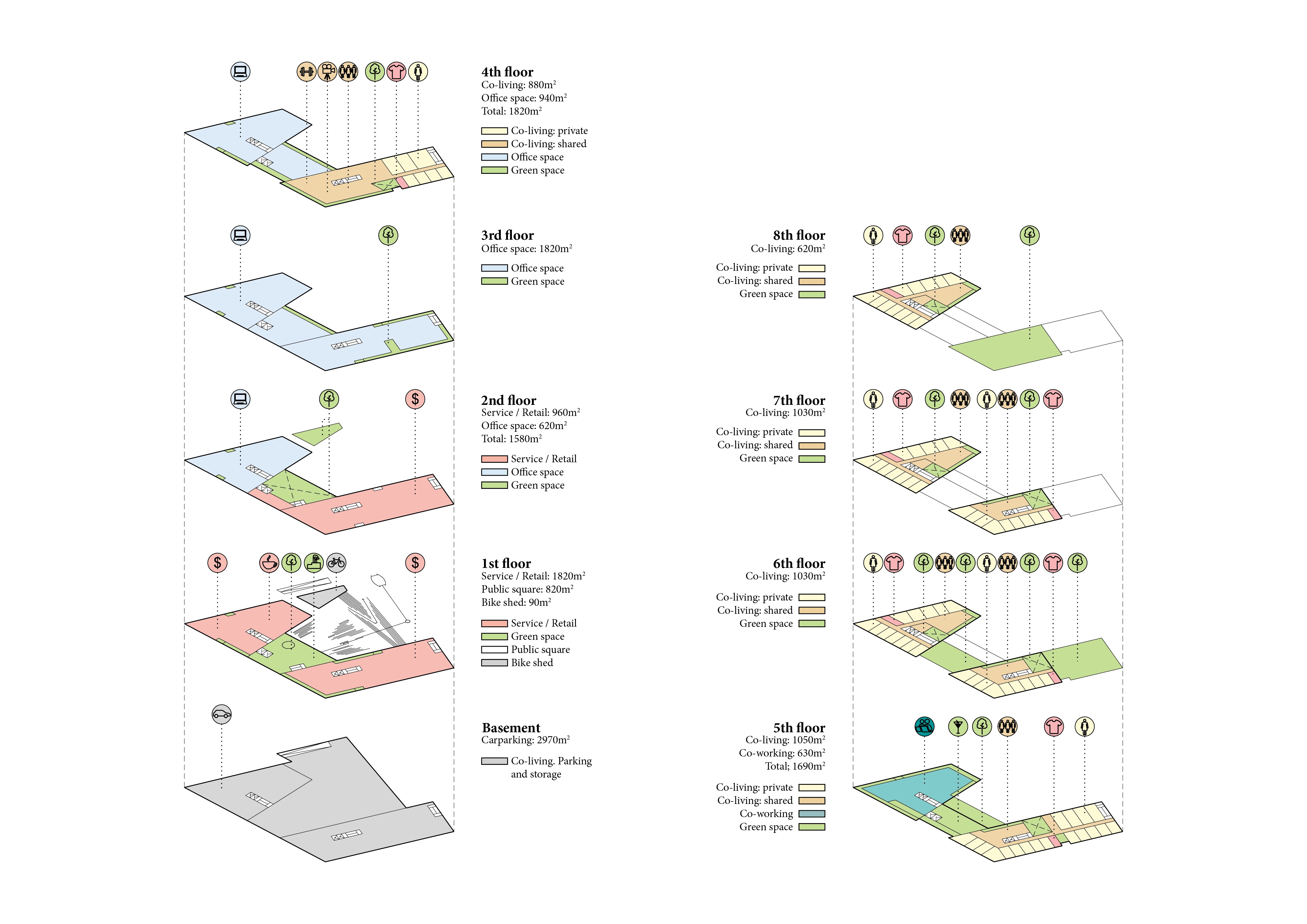
FABRIC is a mixed-use development proposed for the international competition C40 Reinventing Cities site at Lágmúli in Reykjavík. The project brings together co-living housing, shared workplaces, retail, services, and public space within a building designed to support healthier and more sustainable urban lifestyles.

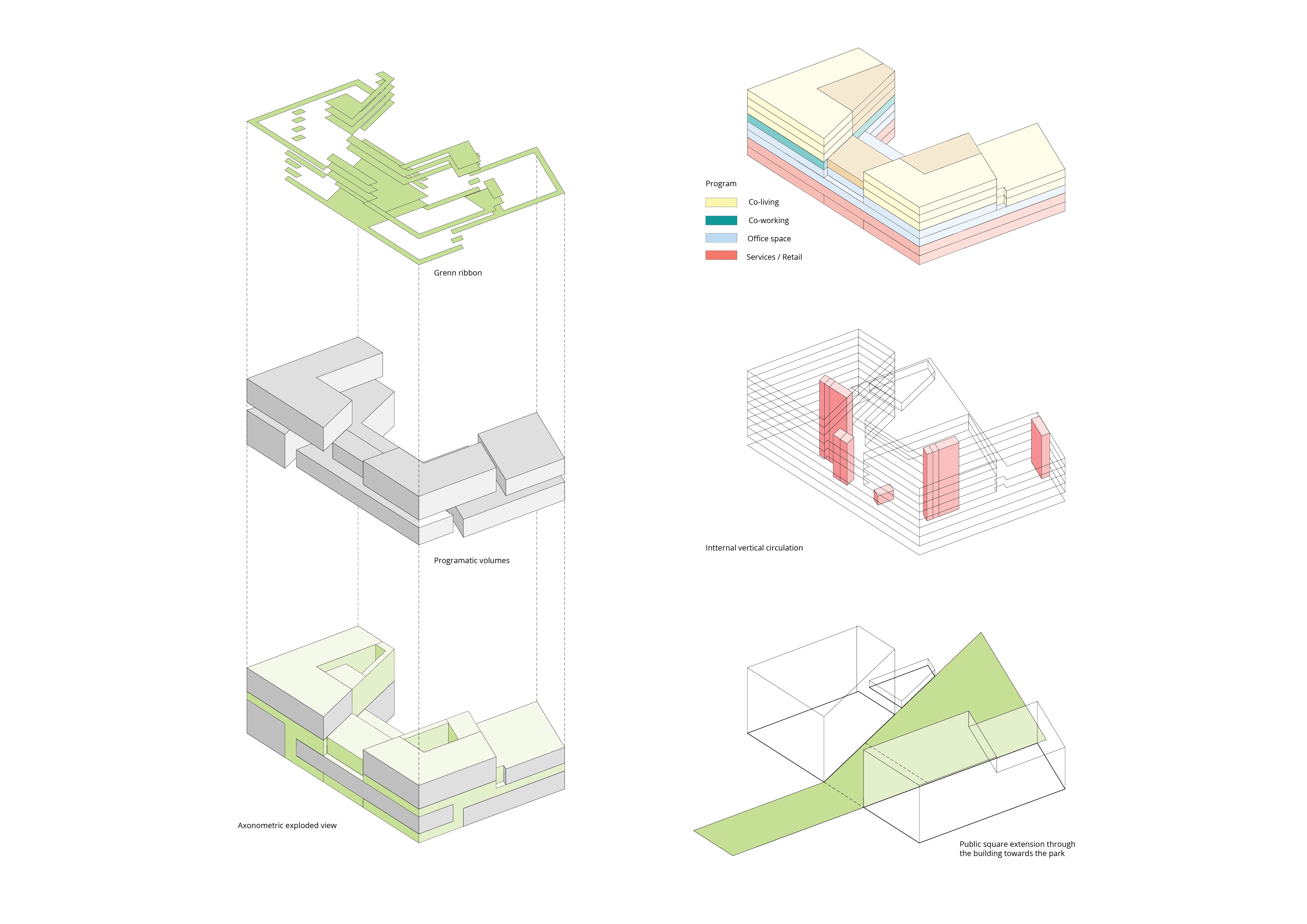
The building is conceived as a hub for communal living and working, encouraging alternative ways of sharing resources and space. Co-habitational housing, shared office environments, and public functions are combined to create a diverse and active urban environment where residents, workers, and visitors interact throughout the day.

FABRIC is a mixed-use development proposed for the international competition C40 Reinventing Cities site at Lágmúli in Reykjavík. The project brings together co-living housing, shared workplaces, retail, services, and public space within a building designed to support healthier and more sustainable urban lifestyles.

The building is conceived as a hub for communal living and working, encouraging alternative ways of sharing resources and space. Co-habitational housing, shared office environments, and public functions are combined to create a diverse and active urban environment where residents, workers, and visitors interact throughout the day.

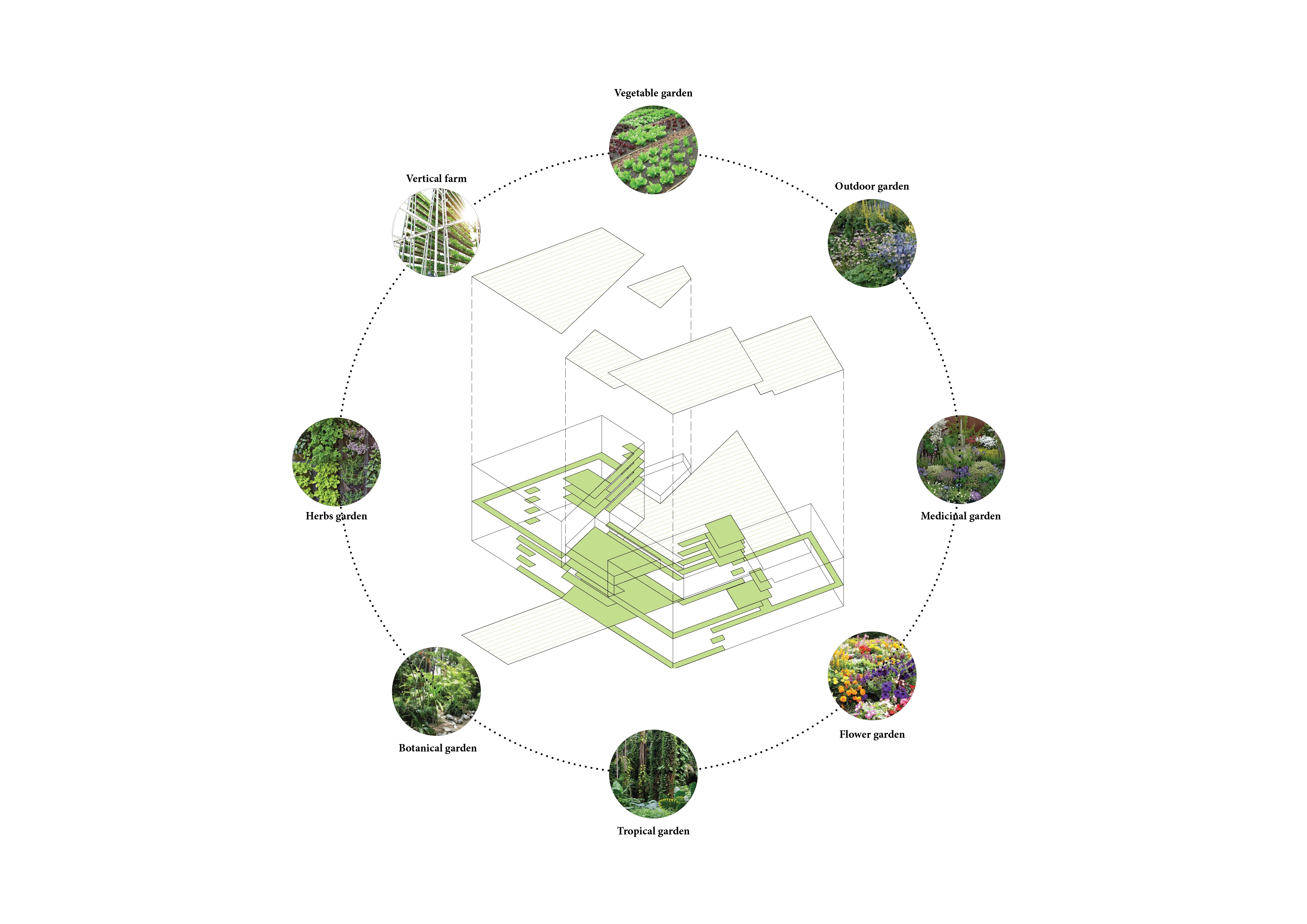
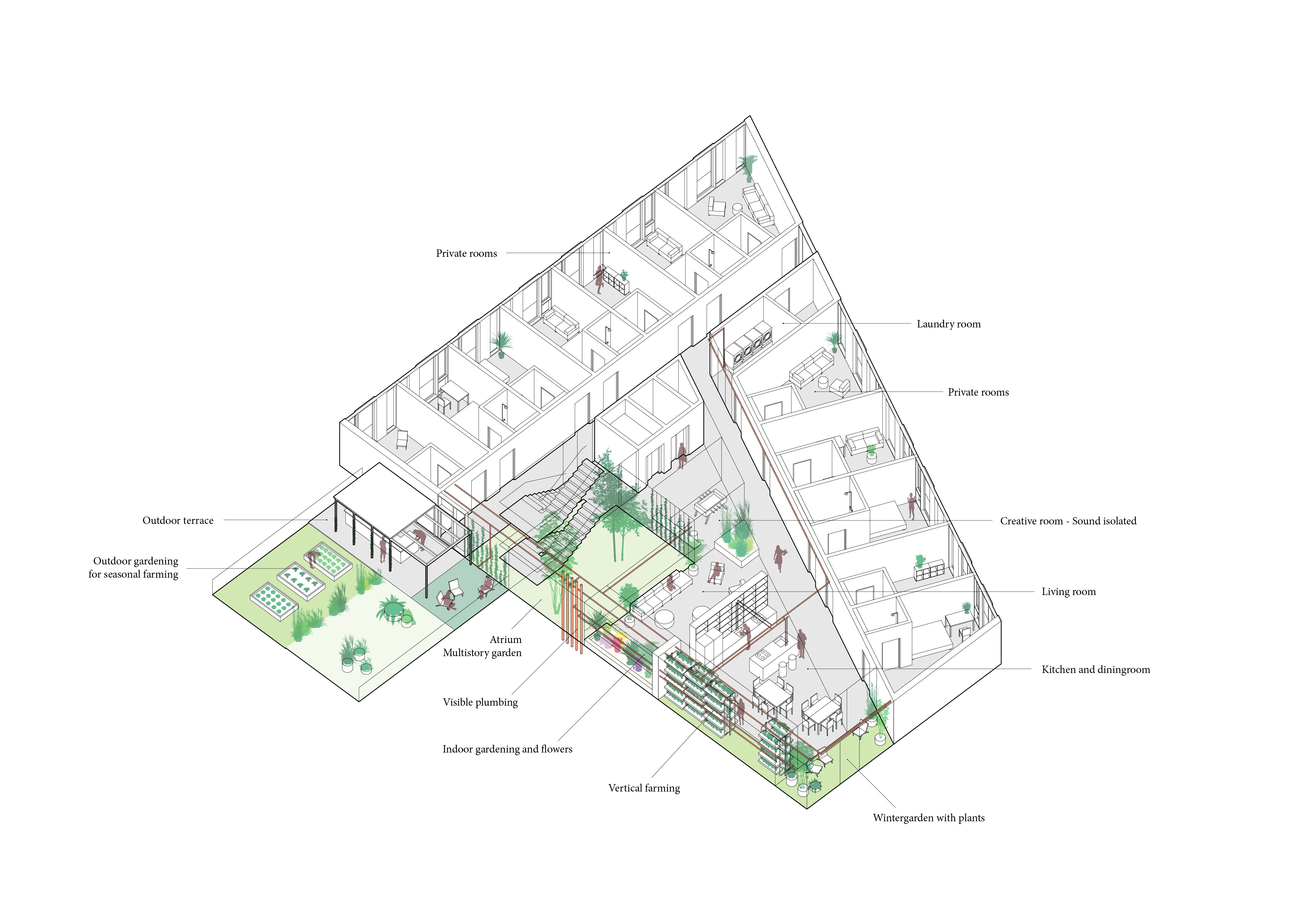
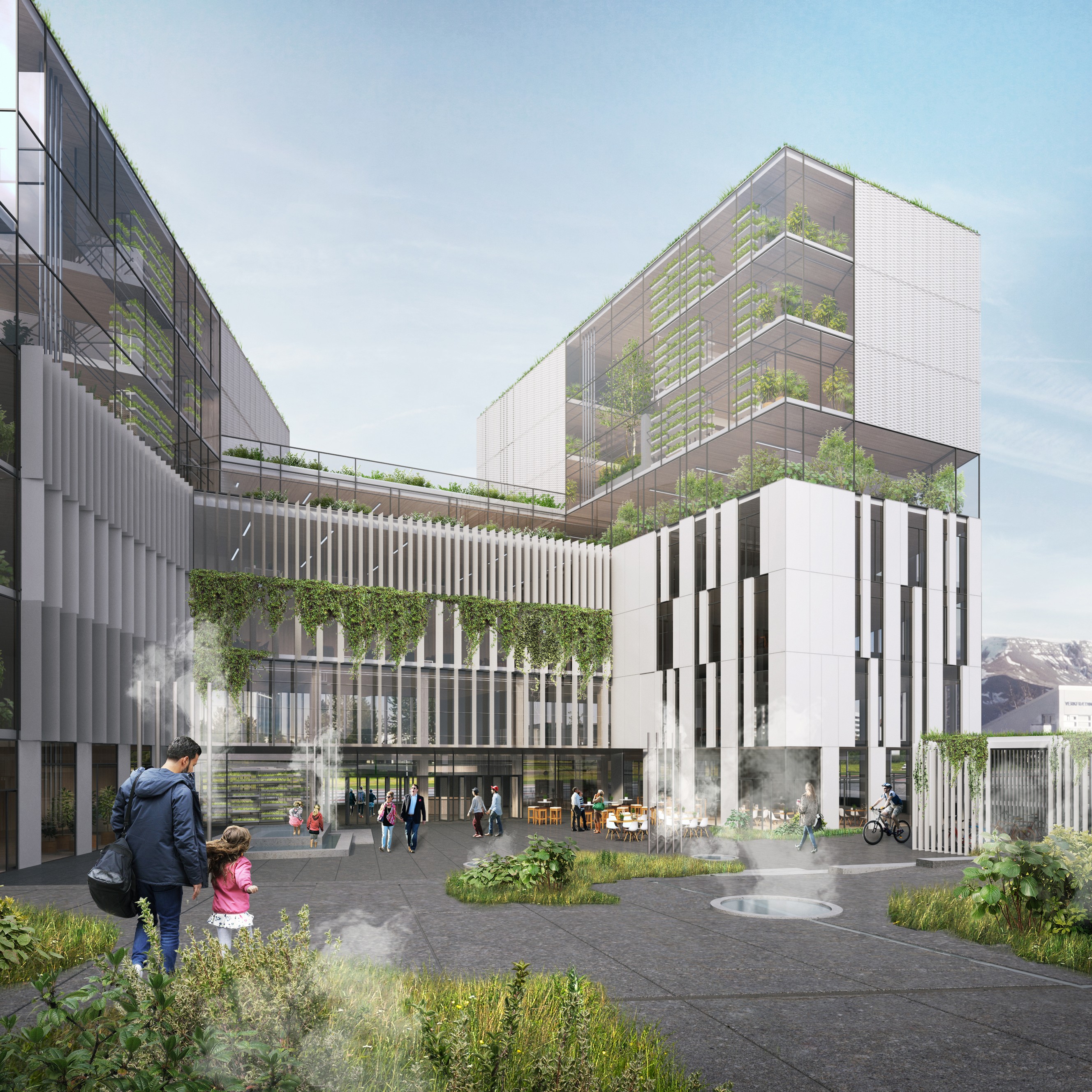
A central organizing element of the project is a continuous “green ribbon” that runs through the building. The ribbon connects circulation, communal areas, greenhouse spaces, and indoor cultivation zones. It serves both as a social spine for the building and as a framework for events, shared activities, and urban agriculture.

A central organizing element of the project is a continuous “green ribbon” that runs through the building. The ribbon connects circulation, communal areas, greenhouse spaces, and indoor cultivation zones. It serves both as a social spine for the building and as a framework for events, shared activities, and urban agriculture.

The project emphasizes environmental responsibility and aims to reduce its overall carbon footprint with low-carbon construction materials and efficient building systems. Timber structures, cross-laminated timber elements, and locally produced insulation materials contribute to reducing emissions associated with construction.

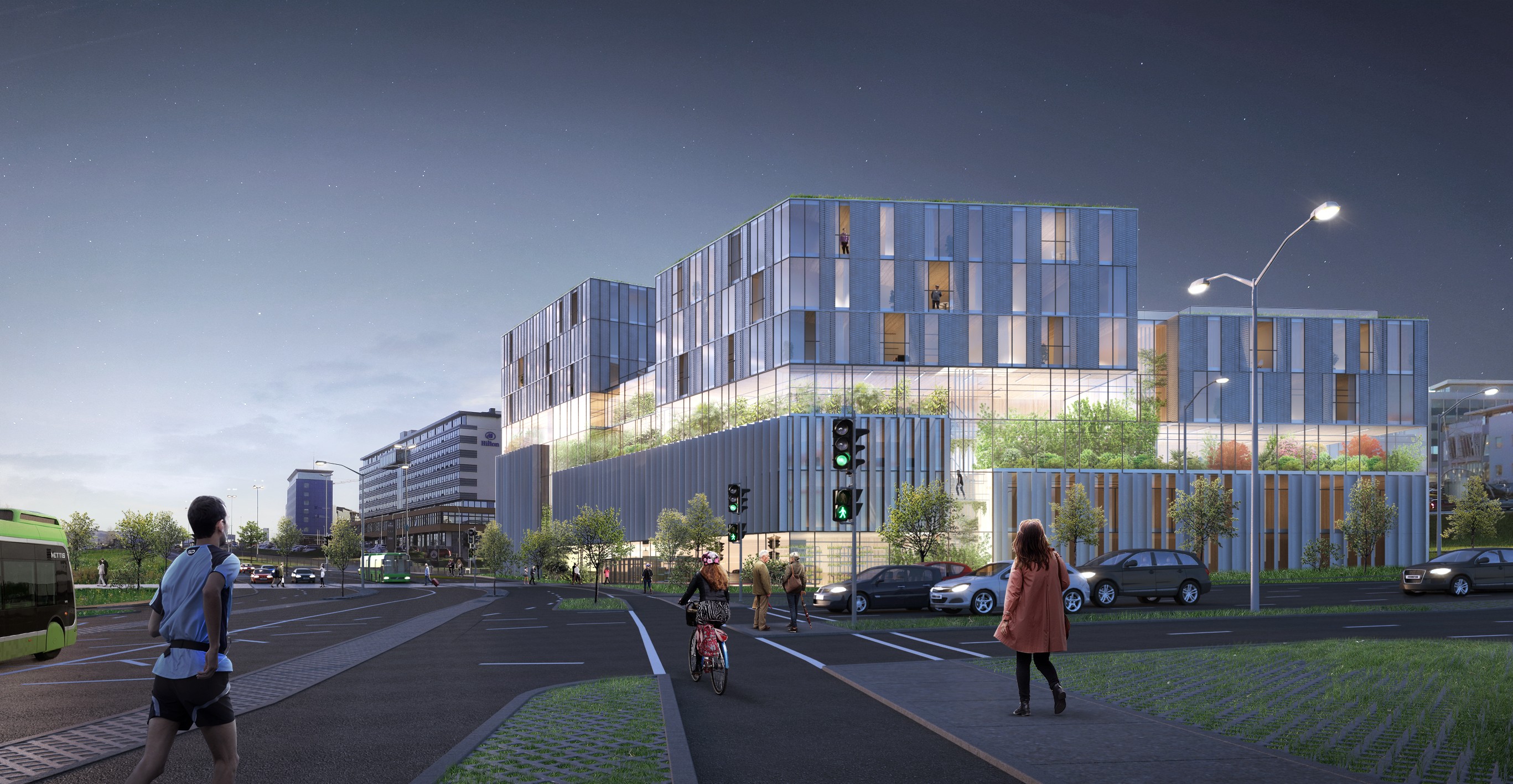
The building mass is organized as a series of volumes that appear to float separately, breaking down the scale of the development and creating a more human-scaled urban form. Public spaces at ground level connect the building to the surrounding city and provide areas for gathering and everyday activity.

The project emphasizes environmental responsibility and aims to reduce its overall carbon footprint with low-carbon construction materials and efficient building systems. Timber structures, cross-laminated timber elements, and locally produced insulation materials contribute to reducing emissions associated with construction.

The building mass is organized as a series of volumes that appear to float separately, breaking down the scale of the development and creating a more human-scaled urban form. Public spaces at ground level connect the building to the surrounding city and provide areas for gathering and everyday activity.


Credits

Architecture, Interior Design: Basalt Architects

Project Architect: Marcos Zotes

Design Team: Anna Björg Sigurðardóttir, Dagbjört Ásta Jónsdóttir, Davíð H Aðalsteinsson, Guðjón Kjartansson, Hrólfur Karl Cela

Collaborators

Environmental expert: EFLA

Landscape Design consultant: Landmótun

Awards

1st Prize, C40 Reinventing Cities global competition